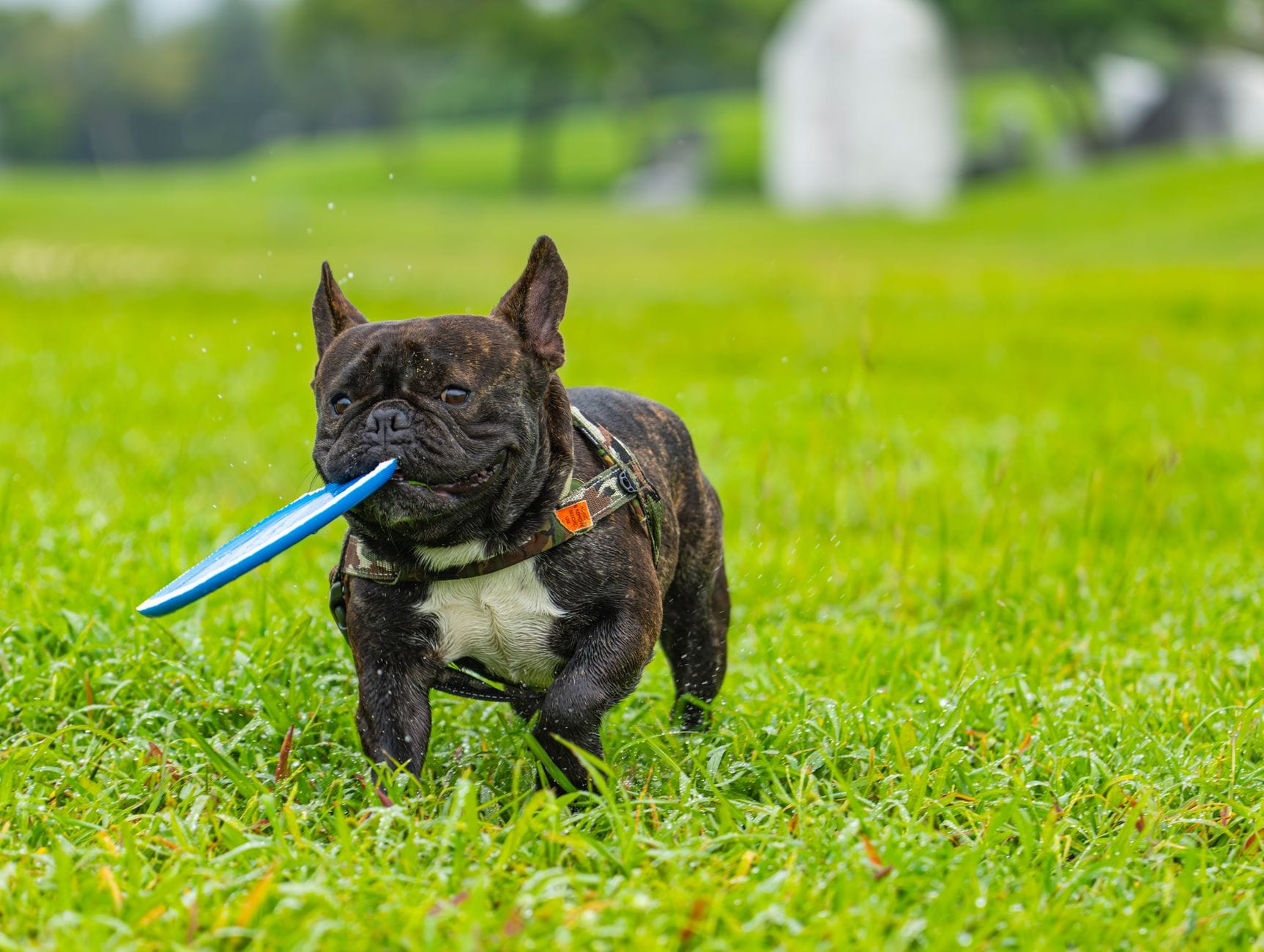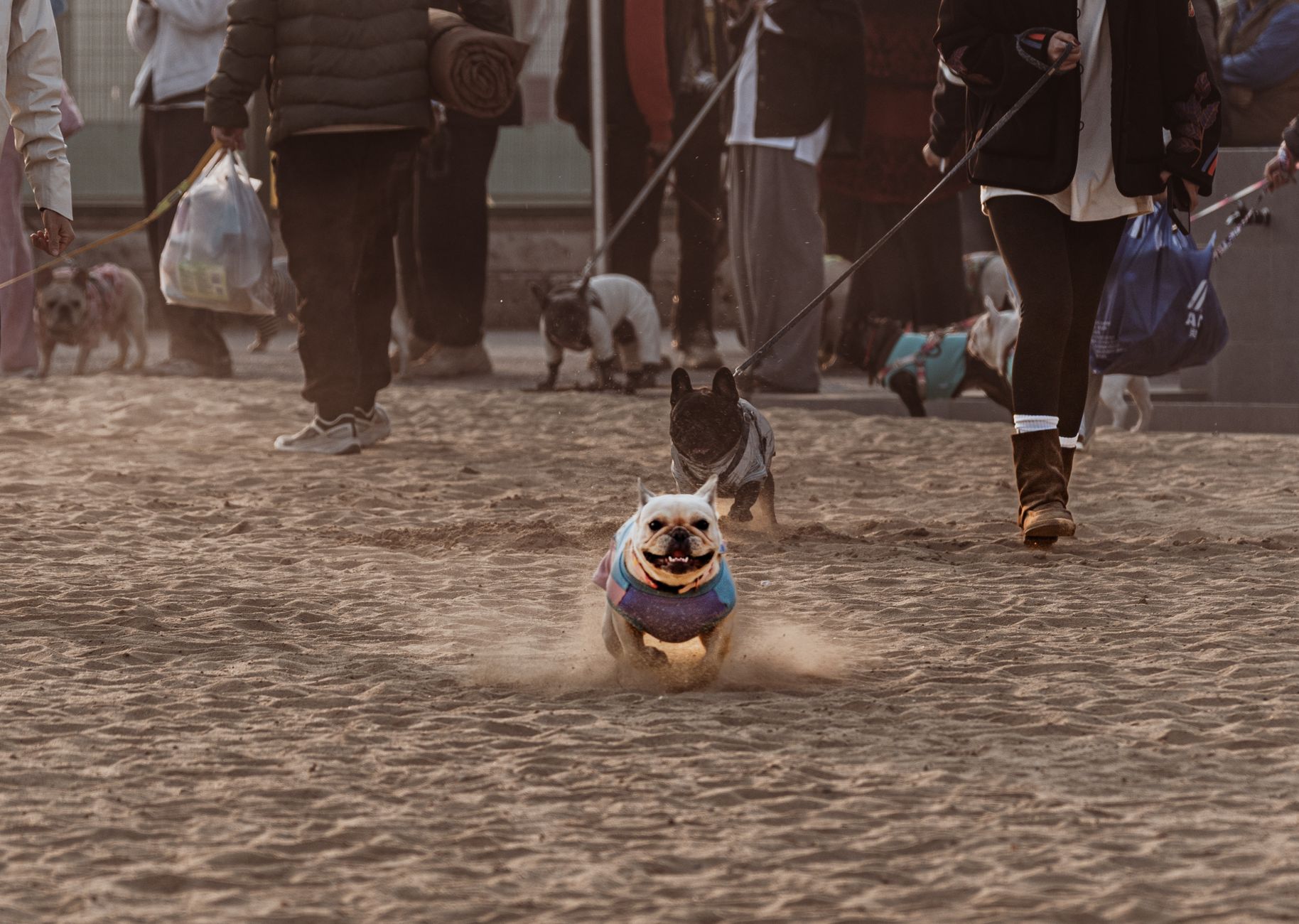


French Bulldogs have gained immense popularity due to their adorable looks and charming personalities. However, potential owners often wonder, are French Bulldogs easy to train? The answer to this question can vary based on various factors including the dog’s temperament, the owner’s training approach, and the consistency applied during training sessions. This article aims to provide a comprehensive guide on the trainability of French Bulldogs, offering insights, tips, and considerations for prospective and current owners.
Before diving into training techniques, it’s essential to understand the temperament of French Bulldogs. Frenchies are known for their playful and affectionate nature. They thrive on human companionship and are often described as social butterflies. However, their stubborn streak can make training a bit challenging.
French Bulldogs are generally:
Several factors can affect how easy or difficult it is to train a French Bulldog:
Young French Bulldogs tend to be more adaptable and eager to learn. Starting training early, preferably when they are puppies, can lead to better results. However, adult French Bulldogs can still learn; they may require more patience.
Consistency is key in training any dog, especially for a French Bulldog. Using the same commands, gestures, and rewards helps reinforce learning and minimizes confusion.
Different techniques work for different dogs. Positive reinforcement, such as treats and praises, often yields better results with French Bulldogs due to their affectionate nature.
Here are some effective training tips tailored for French Bulldogs:
Begin training as soon as you bring your French Bulldog home. Early socialization and basic obedience training are crucial for developing good behavior.
Reward-based training encourages good behavior. Use treats, praise, or toys as rewards when your French Bulldog follows commands or demonstrates desired behavior.
French Bulldogs have short attention spans. Keeping training sessions to about 5-10 minutes helps maintain their focus and prevents frustration.
Patience is essential when training a French Bulldog. They may not grasp commands immediately, and it’s important to remain calm and encouraging.
Expose your French Bulldog to various environments, sounds, and people. Socialization helps reduce anxiety and improves their adaptability, making them more receptive to training.
While many owners find success in training their French Bulldogs, some challenges may arise:
Due to their independent nature, French Bulldogs can be resistant to commands at times. This stubbornness requires owners to employ creative training methods.
French Bulldogs may become easily distracted by their surroundings, which can hinder training. Choosing a quiet space for training can help minimize distractions.
French Bulldogs are prone to certain health issues, which can affect their energy levels and willingness to engage in training. Understanding their health needs is crucial for a successful training regimen. For instance, knowing how long French Bulldogs live can help you plan training over their lifespan.
In conclusion, training a French Bulldog can be a rewarding yet challenging experience. While they possess a stubborn side, their affectionate nature and intelligence can lead to successful training outcomes with the right approach. Owners should remain consistent, patient, and engaging to foster a positive training environment. Remember, early training and socialization can make a significant difference in a French Bulldog’s behavior and adaptability. By implementing effective training strategies, you can cultivate a well-behaved companion that fits seamlessly into your lifestyle. To learn more about their care, check out our guide on how much do French Bulldogs sleep and discover when they are fully grown.