Understanding French Bulldog Breathing Problems
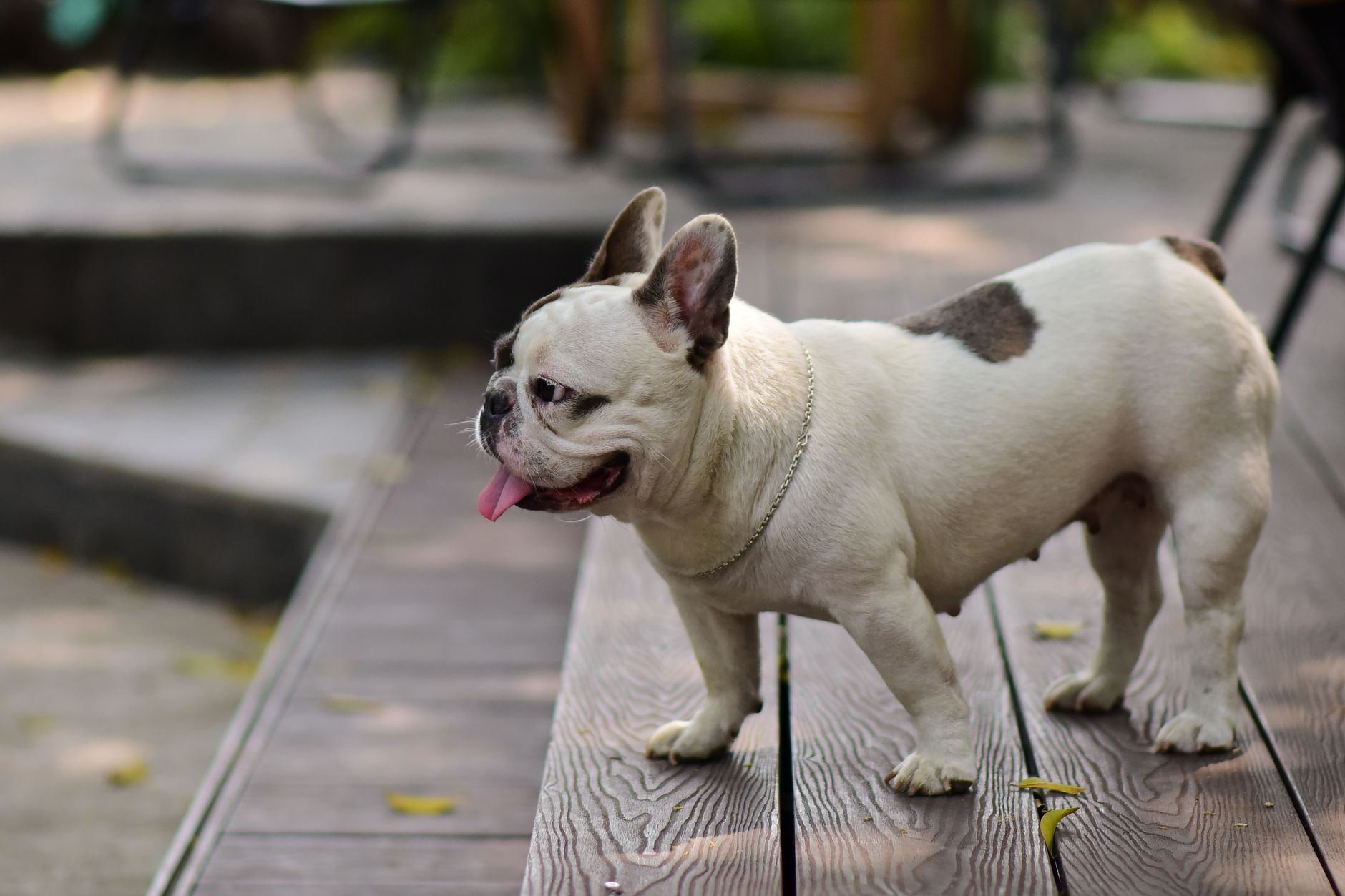
French Bulldogs are beloved for their affectionate nature and unique appearance, but their brachycephalic (short-nosed) structure can lead to various breathing issues. Understanding what’s normal and what’s not in terms of their respiratory health is essential for every Frenchie owner. This guide aims to provide comprehensive insights into the common breathing problems faced by French Bulldogs, how to identify them, and when to seek veterinary care.
Normal Breathing Patterns
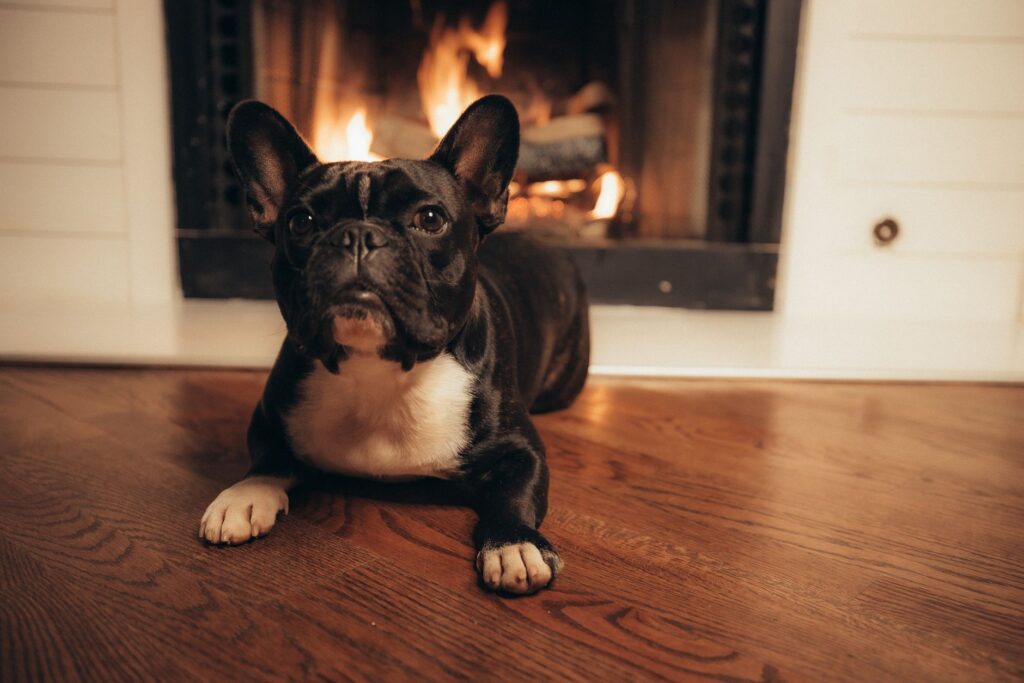
Before diving into what could be problematic, it’s crucial to understand what constitutes normal breathing in a French Bulldog. On average, a healthy Frenchie will have a resting respiratory rate of about 10 to 30 breaths per minute. Their breathing may appear rapid or labored after exercise or during hot weather, which is typically normal. However, there are signs to look out for.
Signs of Normal Breathing
- Quiet and calm while resting.
- Regular, rhythmic breaths.
- No signs of distress or discomfort.
- Occasional snorts or snuffles, especially during excitement.
These signs indicate that your French Bulldog is likely healthy and experiencing no significant breathing issues.
Common Breathing Problems in French Bulldogs
While many French Bulldogs breathe comfortably, several breathing problems could arise due to their anatomical structure. Here are the most common issues to be aware of:
1. Brachycephalic Obstructive Airway Syndrome (BOAS)
This is the most prevalent condition affecting French Bulldogs. BOAS is a group of conditions that cause obstructed airflow due to their short skull shape. Symptoms include:
- Labored breathing, especially during physical exertion.
- Excessive snoring or snorting.
- Coughing or gagging.
- Blue-tinged tongue or gums (indicating oxygen deprivation).
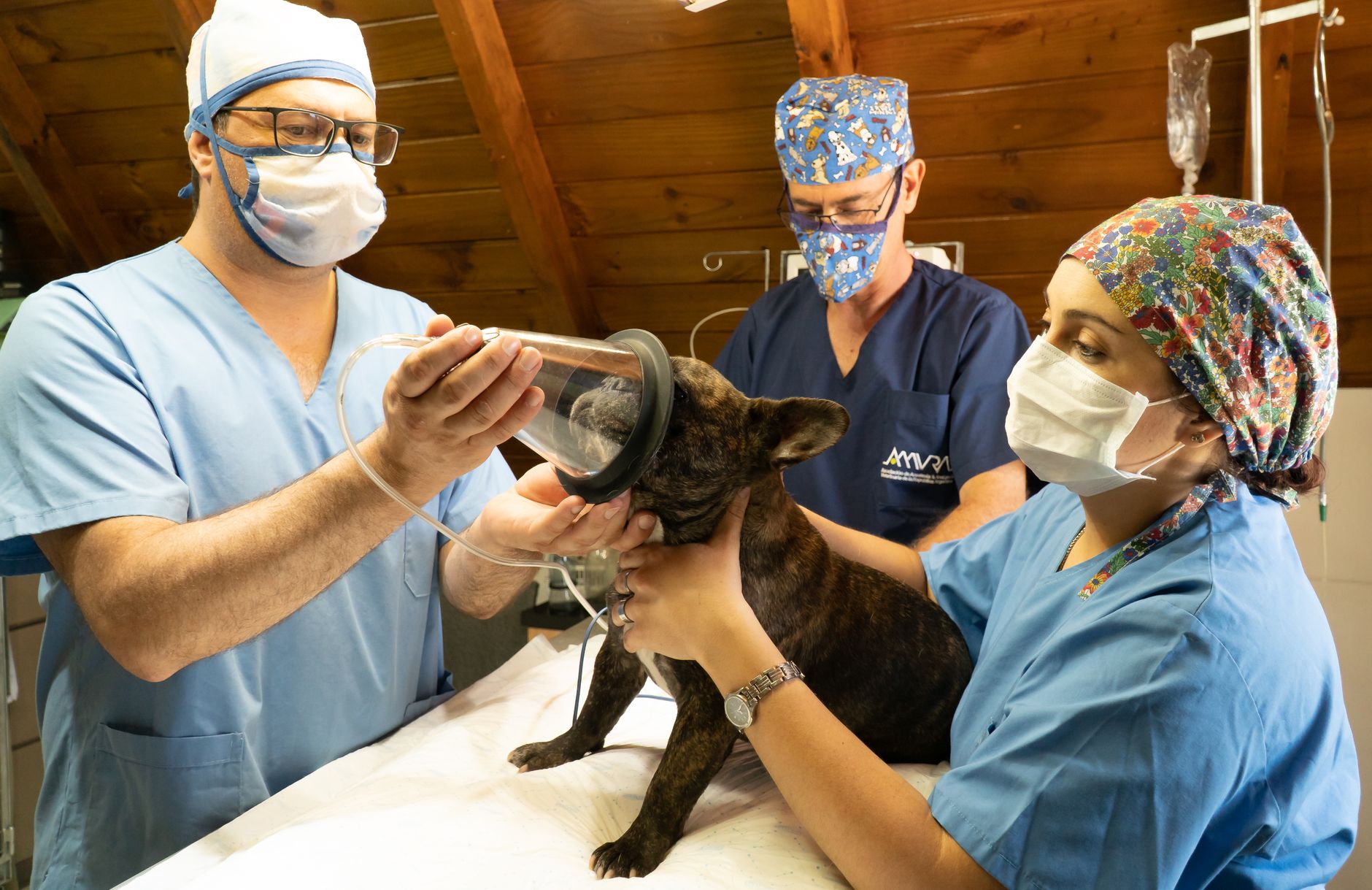
If you observe these symptoms, a visit to the veterinarian is highly recommended.
2. Allergies
French Bulldogs can suffer from allergies just like any other breed. Allergens can include pollen, dust, or food ingredients, leading to respiratory symptoms such as:
- Frequent sneezing.
- Runny nose or eyes.
- Wheezing or coughing.
Identifying the allergen often requires veterinary testing, followed by appropriate treatment or lifestyle adjustments.
3. Collapsing Trachea
This condition occurs when the cartilage rings in the trachea weaken, causing a partial collapse of the airway. Symptoms include:
- A honking cough.
- Difficulty breathing during exercise.
- Gagging or choking sounds.
Veterinary intervention is necessary to manage this condition effectively.
4. Pneumonia
Pneumonia can occur in French Bulldogs due to various factors, including aspiration of food or water. Symptoms may include:
- Labored breathing.
- Fever or lethargy.
- Loss of appetite.
This condition requires immediate veterinary attention, as it can be life-threatening.
When to Seek Veterinary Care
Recognizing the signs that warrant a visit to the vet is crucial for your dog’s health. Here are key indicators:
- Persistent coughing or sneezing.
- Difficulty breathing, characterized by panting or open-mouth breathing.
- Changes in behavior, such as lethargy or reluctance to exercise.
- Gums or tongue turning blue or purple.
Immediate veterinary care can provide a better prognosis and treatment options for your French Bulldog.
Managing Breathing Problems
While some breathing issues may require medical intervention, there are practical steps you can take at home to help manage your French Bulldog’s respiratory health:
1. Maintain a Healthy Weight
Obesity can exacerbate breathing problems, so keeping your Frenchie at a healthy weight is vital. Regular exercise and a balanced diet are essential for their overall well-being. If you’re wondering how much exercise your French Bulldog needs, check out our guide on How Much Exercise Does a French Bulldog Need?
2. Hydration
Ensuring your dog stays hydrated can help maintain optimal respiratory function. Always provide fresh water, especially on hot days.
3. Environmental Control
Since allergens can trigger breathing problems, keeping your home clean and minimizing exposure to dust, mold, and pollen is crucial. Regularly vacuum and consider using air purifiers.
4. Proper Crate Training
For young French Bulldogs, proper crate training can help them feel secure and reduce anxiety, which can sometimes exacerbate breathing issues. For tips on crate training, visit How to Crate Train a French Bulldog Puppy.
Conclusion
Understanding the nuances of breathing problems in French Bulldogs is crucial for responsible pet ownership. While some breathing patterns are entirely normal, others can indicate serious underlying health issues. Being aware of the signs and maintaining regular veterinary check-ups can help ensure your Frenchie’s respiratory health is managed effectively. By taking proactive steps, you can help your beloved French Bulldog lead a healthy and happy life.