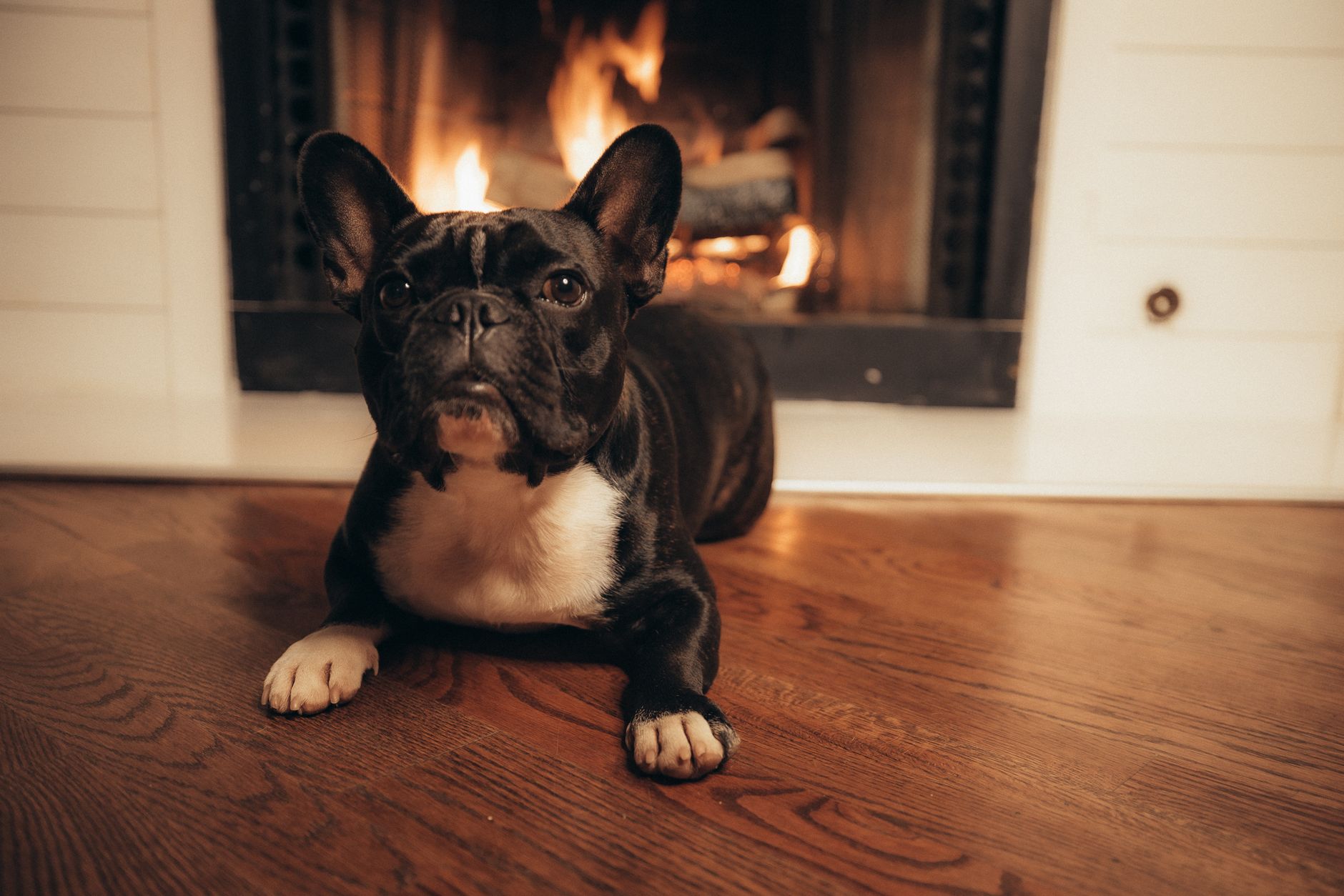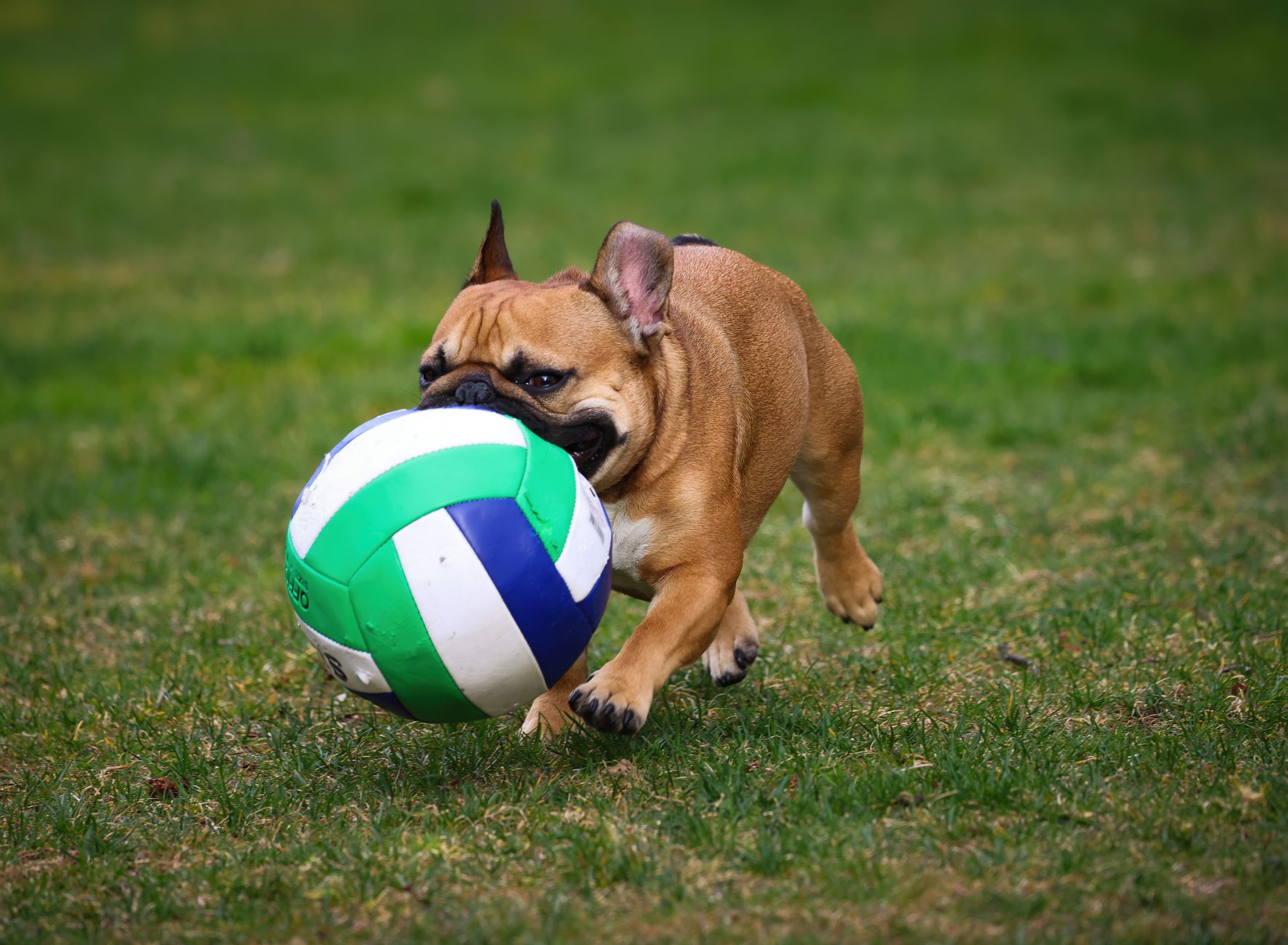

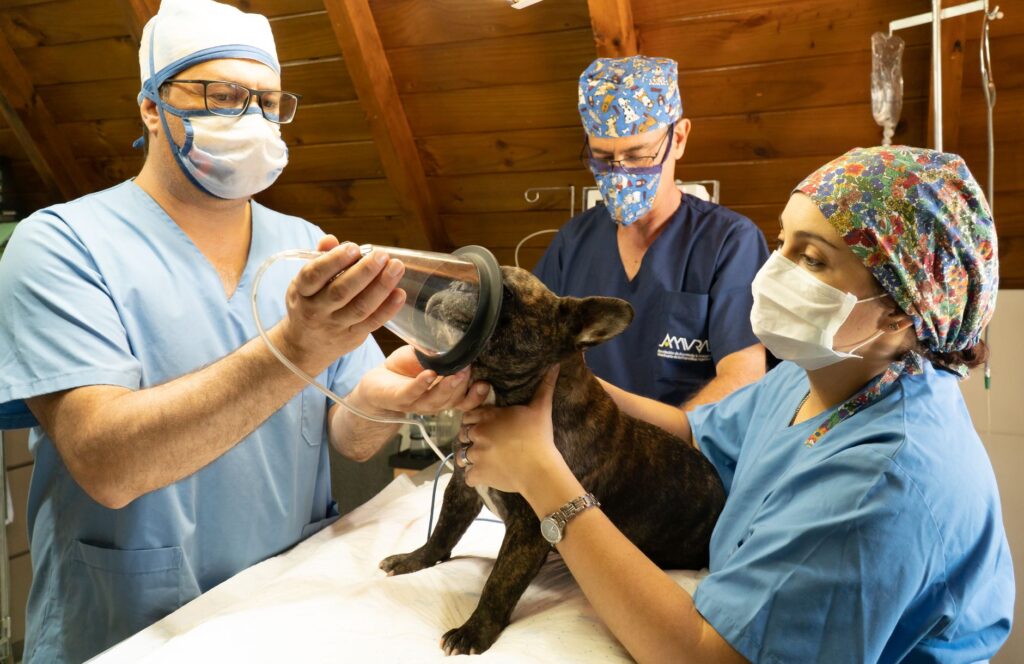
French Bulldogs are one of the most beloved breeds, known for their charming personalities and distinctive appearance. However, they are also prone to a variety of health issues, particularly concerning their breathing. Due to their brachycephalic (short-nosed) structure, French Bulldogs often experience significant respiratory problems. Understanding these issues is crucial for any French Bulldog owner to ensure their pet’s well-being. This article delves into the causes, symptoms, and potential solutions for breathing problems in French Bulldogs.
Brachycephalic Obstructive Airway Syndrome (BOAS) is a condition that affects many short-nosed dog breeds, including French Bulldogs. This syndrome is characterized by anatomical abnormalities in the upper airway, which can lead to obstructed airflow.
The primary cause of BOAS is the breed’s unique skull shape, which has been selectively bred for aesthetics rather than health. The following anatomical features contribute to breathing difficulties:
As a French Bulldog owner, it’s vital to recognize the signs of breathing problems. Common symptoms include:
If you suspect your French Bulldog is having breathing issues, it’s essential to consult a veterinarian. They can perform various tests, including:
Once diagnosed, there are several management options available for French Bulldogs experiencing breathing issues:
Keeping your French Bulldog at a healthy weight is paramount. Excess weight can exacerbate breathing issues, so ensure your pet has a balanced diet and regular exercise. Consult your veterinarian for dietary recommendations.
Making adjustments to your dog’s environment can significantly improve their comfort. This includes:
In some cases, surgical options may be recommended by your veterinarian. Procedures can include:
Preventing breathing problems is always better than managing them. Here are some preventive steps you can take:
French Bulldogs are wonderful companions, but their unique anatomy predisposes them to breathing problems that should not be taken lightly. By understanding the causes, recognizing the symptoms, and implementing preventive measures, you can ensure your French Bulldog leads a healthy and happy life. Always consult with a veterinarian for tailored advice and treatment options. For related queries about French Bulldogs, check out these articles: Why Do French Bulldogs Fart So Much?, Can French Bulldogs Fly? A Comprehensive Guide, and How Much Do French Bulldogs Sleep? A Comprehensive Guide. Your awareness and proactive care can make all the difference.