Understanding Coprophagia in French Bulldogs
As a French Bulldog owner, you may have encountered a rather perplexing behavior: your beloved pet eating poop. This phenomenon, known as coprophagia, is more common in dogs than many owners realize. While it can be distressing to witness, understanding the reasons behind this behavior can help you address it effectively.
Common Reasons for Coprophagia
1. Nutritional Deficiencies
One of the primary reasons your French Bulldog may resort to eating poop is due to nutritional deficiencies. If your dog is not receiving adequate nutrients from its diet, it may instinctively seek out feces to fulfill its dietary needs. This can be particularly true in cases where the diet is lacking essential vitamins and minerals. Always ensure that you are feeding your French Bulldog a balanced diet specifically formulated for their breed.
2. Instinctual Behavior
In the wild, canines often consume feces as a survival mechanism. This behavior not only helps to keep their living area clean but also allows them to recycle nutrients. Though your French Bulldog is domesticated, some of these instinctual behaviors can still manifest. Understanding this can help you approach the situation with a broader perspective.
3. Anxiety and Stress
Just like humans, dogs can experience anxiety and stress, which may lead to unusual behaviors such as coprophagia. If your French Bulldog is feeling anxious due to changes in its environment, such as moving to a new home or the arrival of a new family member, it may resort to eating feces as a coping mechanism. Identifying the root cause of your dog’s anxiety can be crucial in addressing the behavior.
4. Attention-Seeking Behavior
French Bulldogs are known for their affectionate and playful nature. If they realize that eating poop garners a significant reaction from their owners, they may continue to do it to receive attention—whether positive or negative. It is essential to remain calm and avoid overreacting when you catch your dog in the act, as this can inadvertently reinforce the behavior.
How to Prevent Coprophagia
1. Diet Adjustment
To combat nutritional deficiencies, consult your veterinarian to determine if your French Bulldog’s diet needs adjustment. A high-quality, well-balanced diet should provide all essential nutrients. Consider supplements if necessary, but always do so under veterinary guidance.
2. Training Techniques
Implementing training techniques can also help discourage coprophagia. Positive reinforcement methods work well; reward your dog when it ignores poop during walks or in the yard. You can also teach commands like “leave it” to redirect their attention away from feces.
3. Environmental Management
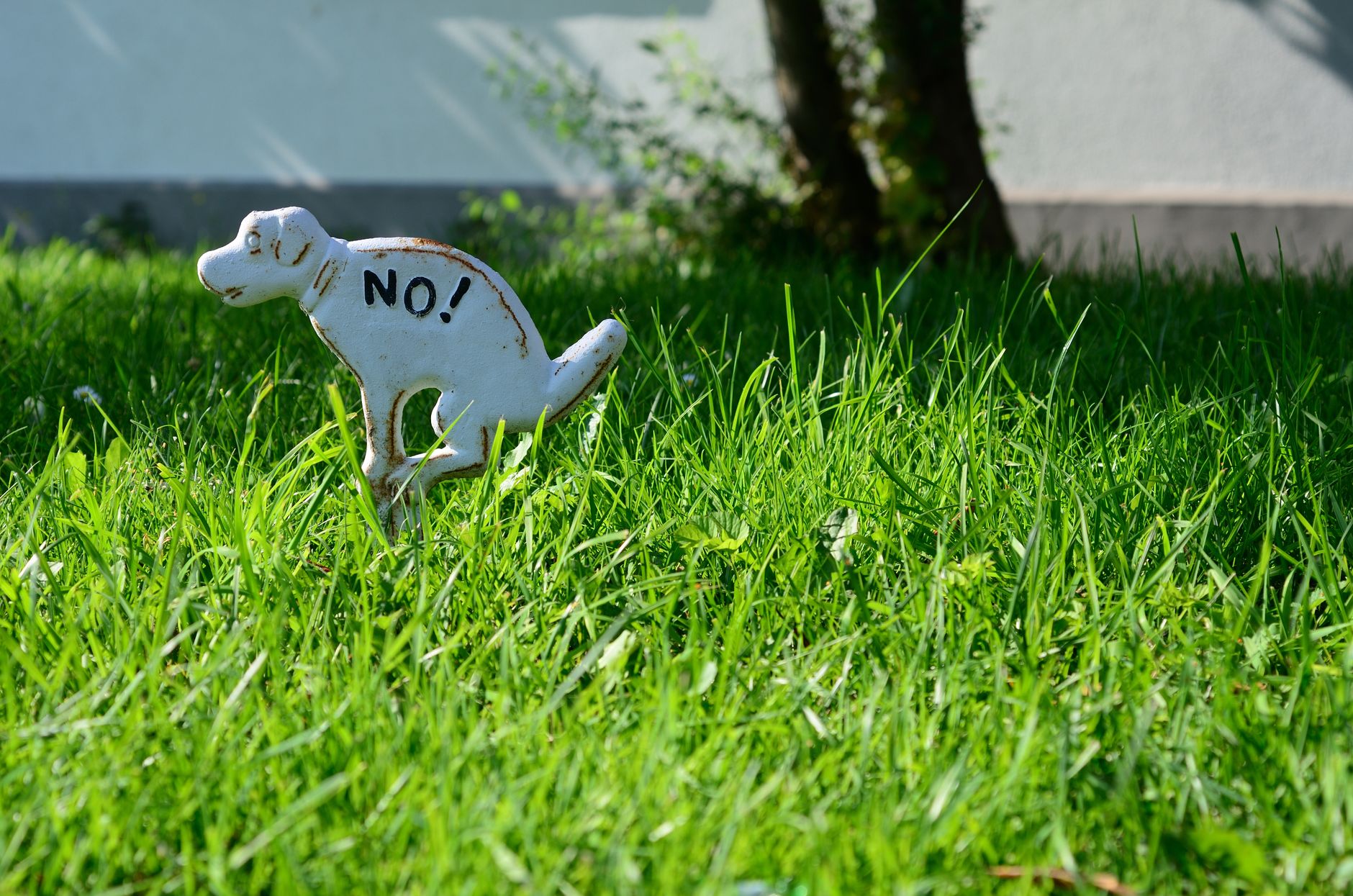
Keeping your dog’s environment clean is another effective way to prevent this behavior. Regularly clean up your yard and any areas where your dog has access to feces. This not only helps eliminate the temptation but also promotes good hygiene.
4. Addressing Anxiety
If anxiety or stress is a contributing factor, consider implementing calming techniques. This could include creating a safe space for your French Bulldog, providing interactive toys, or even consulting a professional dog trainer or behaviorist. Regular exercise and mental stimulation can also help reduce anxiety levels.
When to Consult a Veterinarian
If your French Bulldog’s coprophagia persists despite your best efforts, it may be time to consult a veterinarian. They can rule out any underlying health issues and provide tailored advice. Additionally, if your dog begins to show signs of illness or changes in behavior, seeking veterinary assistance is crucial.
Conclusion
Coping with a French Bulldog that eats poop can be challenging, but understanding the reasons behind this behavior is the first step toward resolution. Whether it’s due to nutritional deficiencies, instinct, anxiety, or attention-seeking, you can take actionable steps to prevent it. Ensuring a balanced diet, training your dog, and maintaining a clean environment are all effective strategies. Remember, patience and consistency are key in addressing this issue. If you’re ever in doubt, don’t hesitate to reach out to a veterinarian for guidance. Your French Bulldog deserves a healthy, happy life free of this puzzling habit!