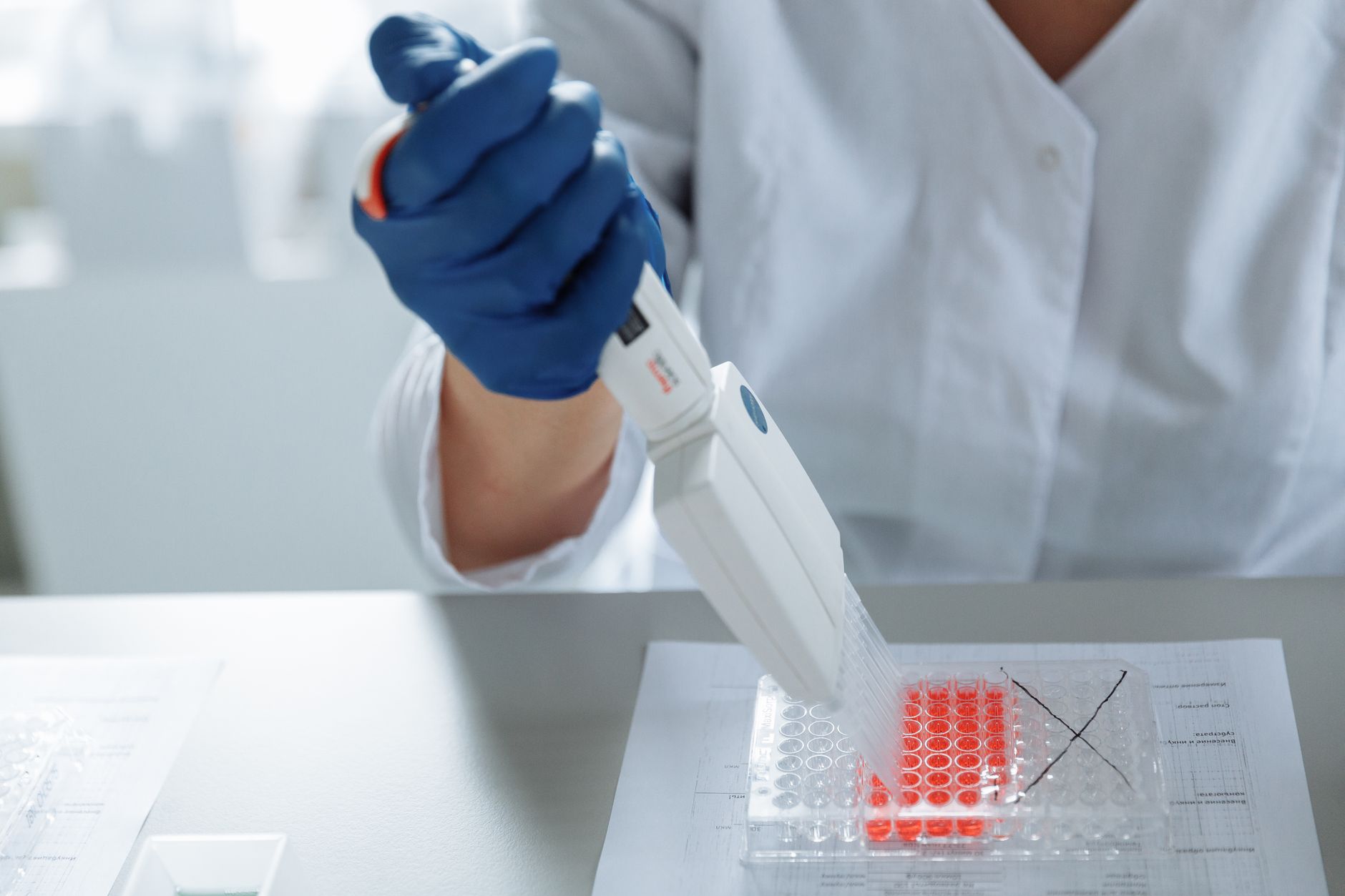

Understanding French Bulldog DNA Testing
French Bulldogs are adored for their charming personalities and unique appearances. However, like many purebred dogs, they are predisposed to various genetic health issues. This is where French Bulldog DNA testing comes into play. By understanding the genetic makeup of your French Bulldog, you can take proactive measures to ensure their health and well-being. In this comprehensive guide, we will delve into the significance of genetic health testing, how it works, and the key benefits it offers to pet owners.
What is DNA Testing for French Bulldogs?
DNA testing for French Bulldogs involves analyzing a sample of your dog’s genetic material, usually obtained via a cheek swab. This test can reveal information about their ancestry, breed composition, and potential genetic health issues. With advancements in veterinary genetics, DNA testing has become a vital tool for responsible breeders and pet owners alike.
The Importance of Genetic Health Testing
Genetic health testing is crucial for several reasons:
1. Identifying Potential Health Risks
French Bulldogs are susceptible to various inherited conditions such as hip dysplasia, brachycephalic obstructive airway syndrome, and certain skin disorders. DNA testing can identify whether your dog carries genes associated with these conditions, allowing you to take preventive measures.
2. Informed Breeding Decisions
For breeders, DNA testing is essential in making informed breeding decisions. By understanding the genetic backgrounds of potential breeding pairs, breeders can minimize the risk of passing on hereditary health issues to their puppies. This ensures healthier litters and contributes to the overall improvement of the breed.
3. Tailored Care Plans
Knowing your French Bulldog’s genetic predispositions allows you to create a tailored health care plan. For example, if a test reveals a risk for certain conditions, you can work closely with your veterinarian to monitor and manage your dog’s health proactively.
How Does DNA Testing Work?
The process of DNA testing for French Bulldogs is straightforward and non-invasive. Here’s a step-by-step guide:
Step 1: Sample Collection
Most DNA testing kits come with a cheek swab. Simply follow the instructions provided to collect a sample of your dog’s saliva. This process takes only a few moments and is painless for your pet.
Step 2: Sending the Sample
Once you’ve collected the sample, you’ll send it to a veterinary genetics laboratory. Make sure to follow all packaging and shipping instructions to ensure the integrity of the sample.
Step 3: Analysis and Results
The laboratory will analyze the DNA and provide you with a report detailing the findings. This report will include information on breed composition, potential genetic health risks, and recommendations for care.
Common Genetic Health Issues in French Bulldogs
Understanding the potential health issues that can affect French Bulldogs is vital. Some common genetic conditions include:
1. Brachycephalic Obstructive Airway Syndrome (BOAS)
Due to their short snouts, French Bulldogs are prone to breathing difficulties, especially in hot weather or during exercise. DNA testing can help identify risks associated with BOAS.
2. Hip Dysplasia
This condition occurs when the hip joint doesn’t fit properly into the hip socket, leading to arthritis and pain. Genetic testing can indicate the likelihood of hip dysplasia.
3. Skin Allergies and Conditions
French Bulldogs often suffer from skin allergies, which can lead to discomfort and infections. Understanding genetic predispositions can help in managing their skin health effectively.
Benefits of French Bulldog DNA Testing
Opting for DNA testing offers numerous benefits for both pet owners and breeders:
1. Peace of Mind
Knowing your dog’s genetic background can provide peace of mind, allowing you to take informed steps to protect their health.
2. Improved Breed Standards
For breeders, DNA testing plays a crucial role in improving breed standards by reducing the prevalence of genetic diseases. This leads to healthier puppies and a better reputation for breeders.
3. Enhanced Veterinary Care
Veterinarians can use genetic information to tailor treatment and preventive measures based on the specific needs of your French Bulldog. This personalized approach can significantly improve the quality of care.
Conclusion
In conclusion, French Bulldog DNA testing is an essential tool for any pet owner or breeder who is committed to the health and well-being of their dogs. By understanding the genetic predispositions and potential health risks associated with this beloved breed, you can take proactive measures to ensure a longer, healthier life for your French Bulldog. As you consider bringing a French Bulldog into your home, be sure to explore the importance of DNA testing and how it can impact your pet’s future. For those looking for more insights on French Bulldogs, check out our guide on French Bulldog Puppies: Everything You Need to Know Before Bringing One Home and learn about their costs in How Much Does a French Bulldog Cost? Puppy Prices Explained. Additionally, explore French Bulldog Colors: A Complete Guide to Colors and Markings for more information.