Introduction
Caring for a French Bulldog after surgery can be a daunting task for any pet owner. These adorable companions require special attention post-operation to ensure a safe and speedy recovery. Unlike other breeds, French Bulldogs have unique health considerations due to their brachycephalic nature, which can complicate their recovery process. This article will guide you through the essential steps to care for your Frenchie after surgery, helping you provide the best environment for healing.
Understanding the Post-Surgery Recovery Process
After surgery, your French Bulldog will undergo a recovery period that varies depending on the type of procedure performed. It’s crucial to understand the signs of normal recovery versus complications. Your veterinarian will provide specific instructions tailored to your dog’s needs, but some general guidelines can help you navigate this period.
Monitoring Your French Bulldog
Pay close attention to your dog’s behavior and physical condition. Look for signs of pain, swelling, or infection, such as:
- Excessive whining or barking
- Refusal to eat or drink
- Unusual lethargy
- Redness or discharge from the surgical site
If you notice any of these symptoms, contact your veterinarian immediately for further guidance.
Creating a Comfortable Recovery Space
Setting up a safe and comfortable recovery environment for your French Bulldog is essential. This space should be quiet, free from distractions, and away from other pets and children. Consider the following tips:
Choosing the Right Location
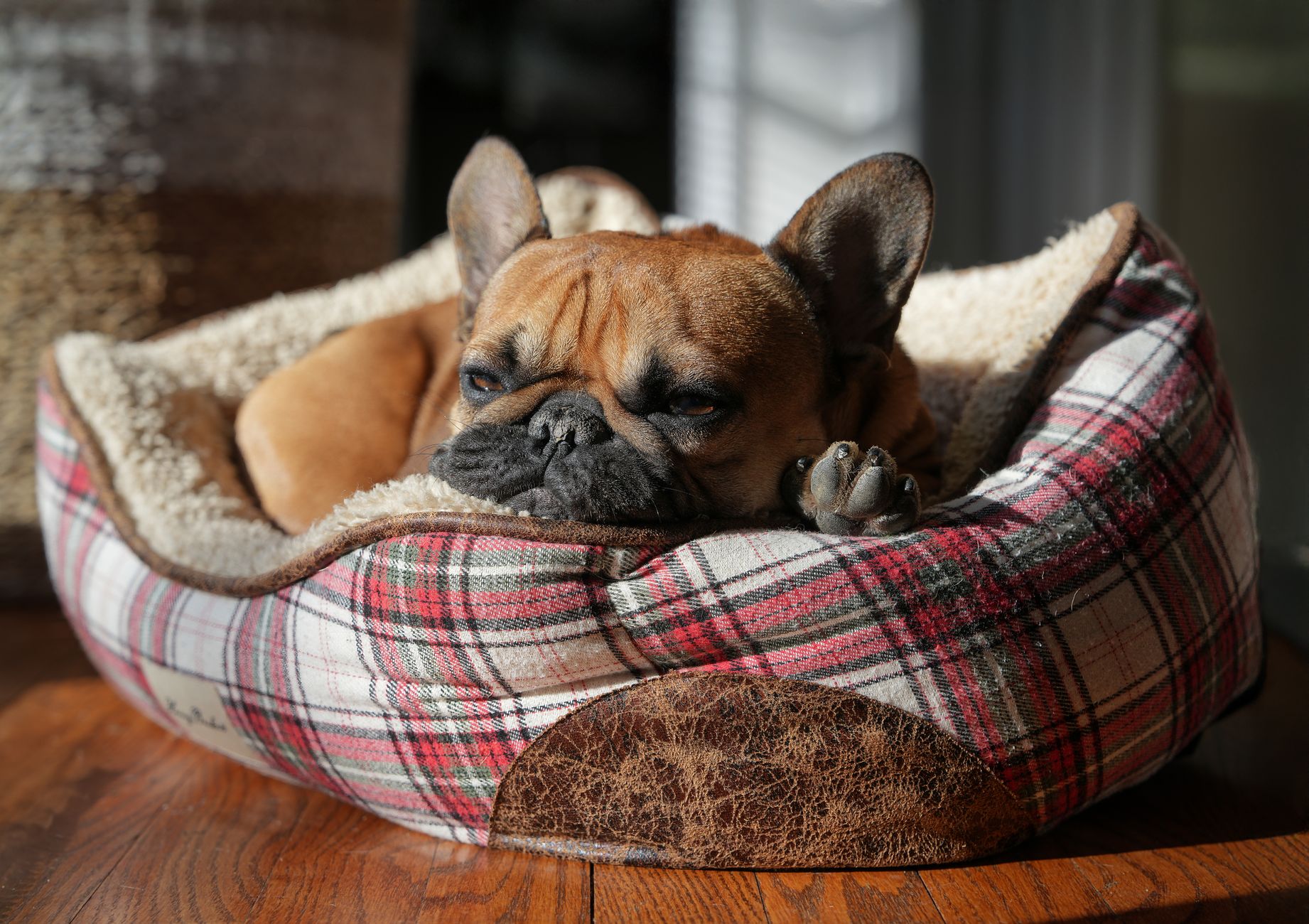
Find a cozy area in your home where your Frenchie can rest comfortably. A soft dog bed or blanket in a calm room will help your dog feel secure. Make sure the area is free of hazards that could cause injury during recovery.
Safe Indoor Play Area
While your dog may not be able to engage in vigorous activity post-surgery, creating a safe indoor play area is beneficial for mental stimulation. Learn more about how to set up a safe indoor play area for a Frenchie here.
Post-Operative Care Instructions
Follow your veterinarian’s post-operative instructions meticulously. Here are some common care practices:
Medication Management
Your vet may prescribe pain relievers or antibiotics. Administer these medications as instructed and monitor your dog for any side effects. If your Frenchie seems overly drowsy or shows unusual behavior, consult your vet.
Feeding Guidelines
After surgery, your French Bulldog may have a decreased appetite. Start with small amounts of their regular diet or a bland diet recommended by your veterinarian. Ensure they have access to fresh water at all times.
Activity Restrictions
French Bulldogs are playful and energetic, but post-surgery, they need to limit their activity to promote healing. Here’s how to manage their activity:
Leash Walks
Short, controlled leash walks are preferable for bathroom breaks. Avoid allowing your dog to run, jump, or play with other pets until cleared by your veterinarian.
Preventing Licking or Chewing
Prevent your dog from licking or chewing at the surgical site, which can lead to infections. You may need to use an Elizabethan collar (cone) or a recovery suit to keep the area protected.
Recognizing Complications
Keep an eye out for potential complications that may arise post-surgery. Common issues include:
Surgical Site Concerns
Redness, swelling, or discharge from the incision site could signal an infection. If the incision opens or bleeds, seek immediate veterinary assistance.
Behavioral Changes
Any drastic changes in behavior, such as increased aggression or hiding, could indicate discomfort or pain. It’s essential to communicate these changes to your veterinarian.
Hydration and Nutrition
Proper hydration and nutrition are vital for recovery. Make sure your French Bulldog has access to clean, fresh water at all times. Consider the following dietary tips:
Hydration Strategies
If your dog is reluctant to drink, you can encourage hydration with ice chips or adding water to their food. Hydration is crucial, especially if your Frenchie is on pain medication, as it can cause dehydration.
Nutrition for Healing
Incorporate nutrient-rich foods that support healing. Consult your vet for recommendations on high-quality dog food or supplements that can aid recovery.
Post-Surgery Follow-Up
Schedule a follow-up appointment with your veterinarian to ensure your French Bulldog is healing properly. Regular check-ups allow your vet to monitor the surgical site and adjust care as needed.
Long-term Health Considerations
Post-surgery care doesn’t stop once your Frenchie seems to have healed. Implementing preventive measures can ensure their long-term health. Understanding their needs and potential future issues, such as breathing difficulties or skin allergies, is vital. To learn more about potential complications, check out this article on ice and irritation.
Conclusion
Caring for your French Bulldog after surgery requires patience, attention, and proper knowledge. By following the guidelines outlined in this article, you can help ensure a safe and smooth recovery process for your beloved pet. Always consult your veterinarian for personalized advice tailored to your Frenchie’s specific needs. With the right care, your French Bulldog will be back to their playful self in no time.