
Understanding Allergies in French Bulldogs
French Bulldogs are known for their playful demeanor and charming personalities, but like many breeds, they can suffer from various health issues, including allergies. Allergies in French Bulldogs can be broadly categorized into two types: food allergies and environmental allergies. Understanding the differences between these two types is crucial for pet owners, as it can significantly impact the health and well-being of your furry friend. This article aims to explore the distinctions between food allergies and environmental allergies in French Bulldogs, including how veterinarians diagnose and treat these conditions.
What Are Food Allergies?
Food allergies occur when a dog’s immune system mistakenly identifies a specific food ingredient as harmful. In response, the body launches an immune response, leading to various symptoms. Common allergens for French Bulldogs include proteins such as beef, chicken, dairy, and grains.
Symptoms of Food Allergies
Identifying food allergies can be challenging, as symptoms often overlap with other conditions. However, some of the most common signs to watch for include:
- Itchy Skin: Persistent scratching or biting at the skin, often resulting in redness or inflammation.
- Gastrointestinal Issues: Symptoms such as vomiting, diarrhea, or flatulence may indicate food allergies.
- Ear Infections: Frequent ear infections can be another sign of food allergies, particularly if accompanied by itchiness.
- Skin Rashes: Rashes or hives can appear on various parts of the body.
What Are Environmental Allergies?
Environmental allergies, often referred to as atopic dermatitis, arise from exposure to allergens in the dog’s surroundings. These can include pollen, dust mites, mold, and certain chemicals. Environmental allergies are particularly prevalent in French Bulldogs due to their sensitive skin and respiratory systems.
Symptoms of Environmental Allergies
Symptoms of environmental allergies can also be similar to those of food allergies, which can complicate diagnosis. Common symptoms include:
- Itchy Skin: Similar to food allergies, environmental allergens can cause significant itching.
- Seasonal Symptoms: Signs may worsen during specific seasons, indicating a pollen allergy.
- Watery Eyes: Environmental allergies can cause excessive tearing or redness in the eyes.
- Respiratory Issues: Sneezing or coughing may occur if the allergens are inhaled.
How Vets Diagnose Allergies in French Bulldogs
Veterinarians employ several methods to diagnose whether a French Bulldog is suffering from food allergies or environmental allergies. The process typically involves a combination of the following approaches:
1. Comprehensive History Taking
The first step in diagnosing allergies often involves a thorough history of the dog’s symptoms, diet, and environmental exposure. Owners should provide details regarding:
- Onset and duration of symptoms
- Dietary changes
- Seasonal variations in symptoms
- Any known environmental exposures
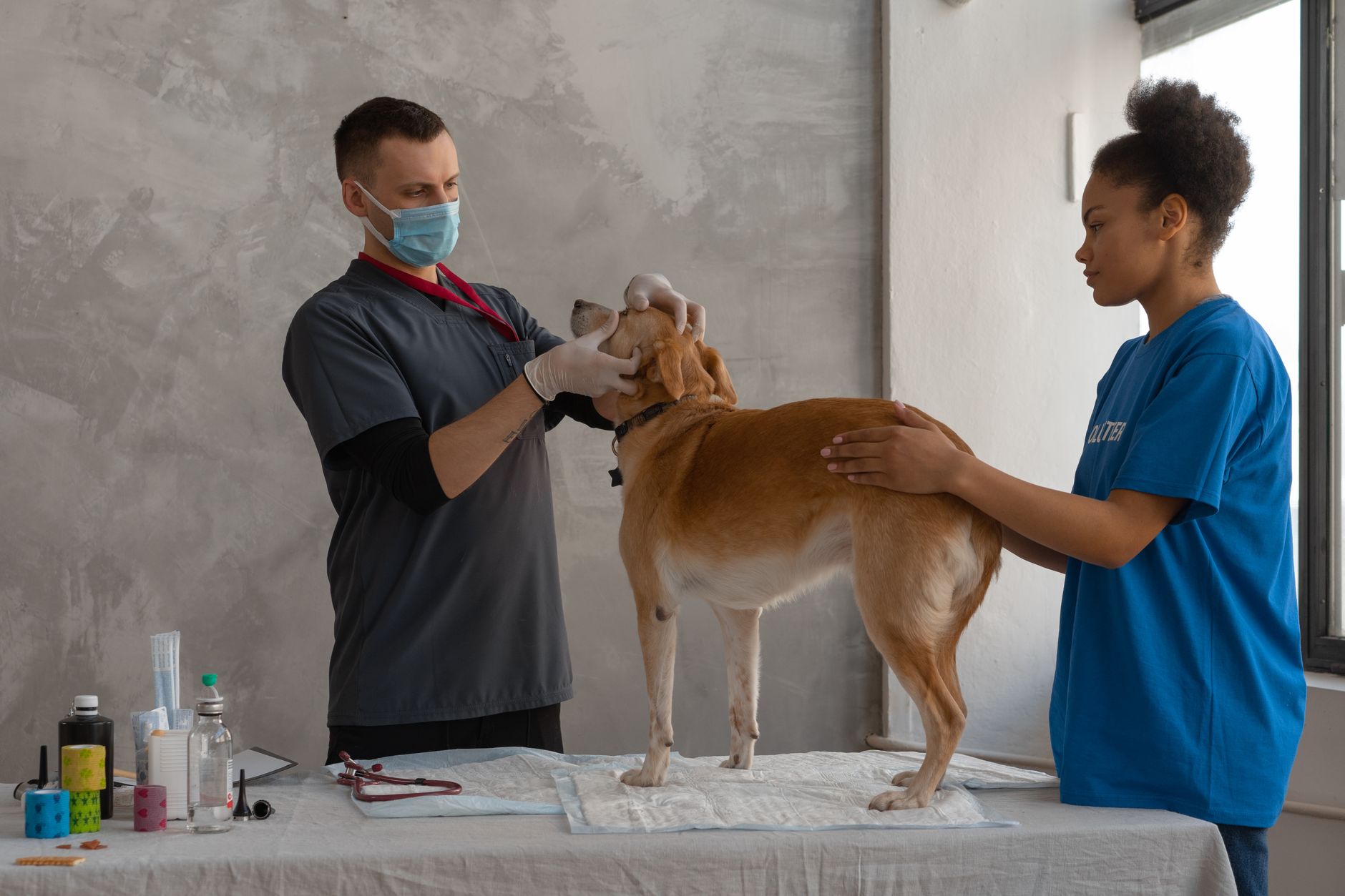
2. Physical Examination
A physical examination by a veterinarian can reveal signs of allergies, such as skin irritation, ear infections, or gastrointestinal issues. This examination helps rule out other health concerns.
3. Elimination Diet Trial
To ascertain if food allergies are the issue, vets may recommend an elimination diet. This entails feeding the dog a novel protein and carbohydrate source that they have never consumed before. If symptoms improve, food allergies may be suspected.
4. Allergy Testing
For environmental allergies, vets might conduct skin or blood tests to identify specific allergens. Skin testing involves exposing the dog to various allergens and observing reactions, while blood tests measure the level of antibodies against specific allergens.
Treatment Options for Food and Environmental Allergies
Once a diagnosis is reached, treatment options vary depending on whether the French Bulldog is suffering from food allergies or environmental allergies.
Managing Food Allergies
The primary treatment for food allergies is dietary management. This involves:
- Elimination Diets: Continuing the elimination diet to identify the specific allergen.
- Novel Protein Diets: Switching to diets with uncommon protein sources.
- Medication: Anti-inflammatory medications may be prescribed to manage symptoms during the transition.
Managing Environmental Allergies
For environmental allergies, treatment options include:
- Allergen Avoidance: Minimizing exposure to known environmental triggers.
- Medications: Antihistamines or corticosteroids may be used to relieve symptoms.
- Immunotherapy: Allergen-specific immunotherapy can help desensitize the dog’s immune system over time.
Conclusion
Understanding the differences between food allergies and environmental allergies in French Bulldogs is essential for effective treatment and management. By recognizing the symptoms and working closely with a veterinarian for accurate diagnosis, pet owners can ensure their furry companions lead healthy, comfortable lives. If you suspect your French Bulldog is suffering from allergies, consult your veterinarian for a tailored approach to treatment.
For additional information on health issues in French Bulldogs, you may find these articles helpful: [French Bulldog Corneal Ulcers: Symptoms and Emergency Care](https://www.majesticfrenchies.com/french-bulldog-corneal-ulcers-symptoms-and-emergency-care/), [What Is Patellar Luxation in French Bulldogs?](https://www.majesticfrenchies.com/what-is-patellar-luxation-in-french-bulldogs/), and [What Is Cherry Eye in French Bulldogs?](https://www.majesticfrenchies.com/what-is-cherry-eye-in-french-bulldogs/).