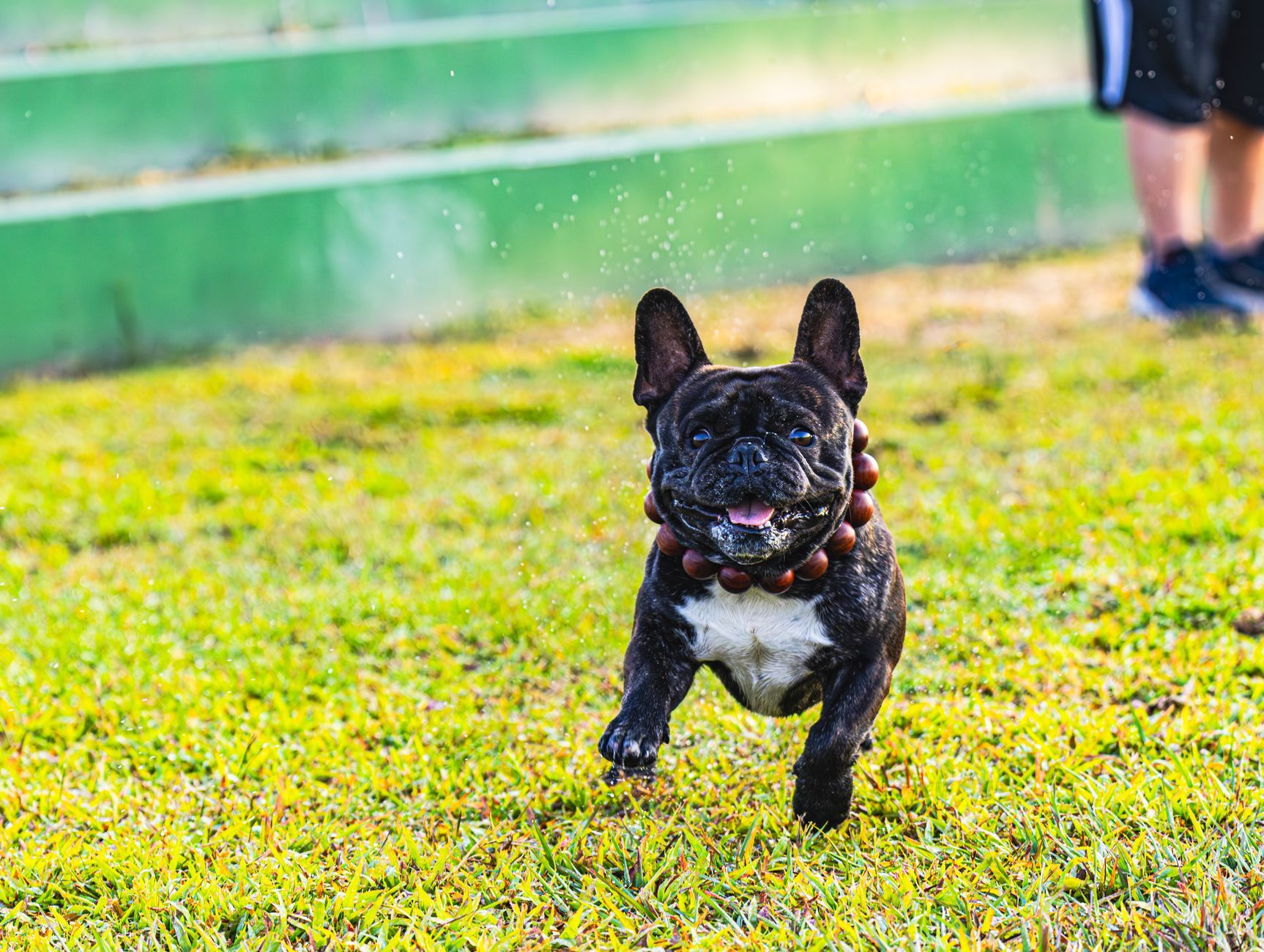

Understanding Separation Anxiety in French Bulldogs
Separation anxiety is a behavioral condition that affects many dogs, and French Bulldogs are no exception. Known for their affectionate and social nature, these adorable companions can become distressed when left alone. Understanding the signs of separation anxiety in French Bulldogs is crucial for their well-being and your peace of mind.
What is Separation Anxiety?
Separation anxiety occurs when a dog becomes overly attached to their owner, leading to distress when they are left alone. This condition can manifest in various ways, from mild discomfort to severe behavioral issues. French Bulldogs, with their strong bond to their human companions, often exhibit signs of separation anxiety, making it essential for owners to recognize the symptoms early.
Common Signs of Separation Anxiety
Identifying the signs of separation anxiety in your French Bulldog can help you address the problem before it escalates. Here are some common symptoms:
1. Excessive Barking or Howling
One of the most evident signs of separation anxiety is excessive barking or howling when left alone. French Bulldogs may vocalize their distress, which can be disruptive and indicate their discomfort.
2. Destructive Behavior
Dogs suffering from separation anxiety may resort to destructive behaviors, such as chewing furniture, scratching doors, or tearing up household items. If you notice your French Bulldog engaging in such activities when you leave, it may be a sign of anxiety.
3. Pacing and Restlessness
When a French Bulldog is anxious, they may display signs of restlessness, such as pacing back and forth or repeatedly circling the room. This behavior indicates that they are struggling to cope with being alone.
4. House Soiling
Separation anxiety can lead to house training regression. If your French Bulldog, previously reliable in their bathroom habits, begins to soil the house when you leave, it may be due to anxiety rather than a lack of training.
5. Clinginess
French Bulldogs may become excessively clingy, following their owners from room to room and displaying signs of distress when they are not in sight. This behavior is often a cry for help, indicating that the dog is uncomfortable being alone.
6. Changes in Appetite
Some dogs with separation anxiety may lose interest in food, while others may overeat when their owners return. Changes in appetite can be an indicator of stress and should not be overlooked.
Causes of Separation Anxiety in French Bulldogs
Understanding the underlying causes of separation anxiety can provide insight into how to manage and mitigate the issue. Some common triggers include:
1. Lack of Socialization
French Bulldogs that have not been socialized properly during their early developmental stages may struggle with anxiety when left alone. Gradual exposure to different environments and situations can help alleviate this.
2. Changes in Routine
Significant changes in a dog’s environment or routine—such as moving to a new home, changes in the owner’s schedule, or a new family member—can trigger anxiety. Consistency and gradual acclimatization are essential in such cases.
3. Previous Trauma
If a French Bulldog has experienced trauma or abandonment in the past, they may develop separation anxiety as a response to fear of being left alone again.
4. Genetic Factors
Some breeds, including French Bulldogs, may be genetically predisposed to anxiety. Understanding the breed’s characteristics can help owners manage their expectations and care routines.
Managing French Bulldog Separation Anxiety
Once you’ve identified the signs of separation anxiety in your French Bulldog, it’s essential to take proactive steps to manage the condition:
1. Gradual Desensitization
Start by leaving your dog alone for short periods and gradually increase the time as they become more comfortable. This technique helps them learn that being alone is not a threat.
2. Create a Safe Space
Designate a specific area in your home where your French Bulldog can feel safe when you’re away. This space can include their bed, toys, and even a piece of your clothing to provide comfort. For more tips on crate training, check out our guide on how to crate train a French Bulldog puppy.
3. Provide Mental Stimulation
Engaging toys, puzzle feeders, and interactive games can keep your French Bulldog mentally stimulated when you’re not home. Ensuring they have something to occupy their minds can reduce anxiety.
4. Exercise and Routine
Regular exercise is essential for a French Bulldog’s physical and mental well-being. Knowing how much exercise your French Bulldog needs is crucial in managing their energy levels and anxiety. Learn more about this in our article on how much exercise a French Bulldog needs.
5. Seek Professional Help
If your dog’s anxiety persists despite your efforts, consider consulting a veterinarian or a professional dog trainer. They can provide insights into behavioral training or recommend medication if necessary.
Conclusion
Separation anxiety in French Bulldogs is a common issue that can significantly impact their quality of life and your own. By recognizing the signs early and implementing effective management strategies, you can help your beloved Frenchie feel more secure and comfortable when left alone. Remember, patience and consistency are key to overcoming this challenge.