Introduction
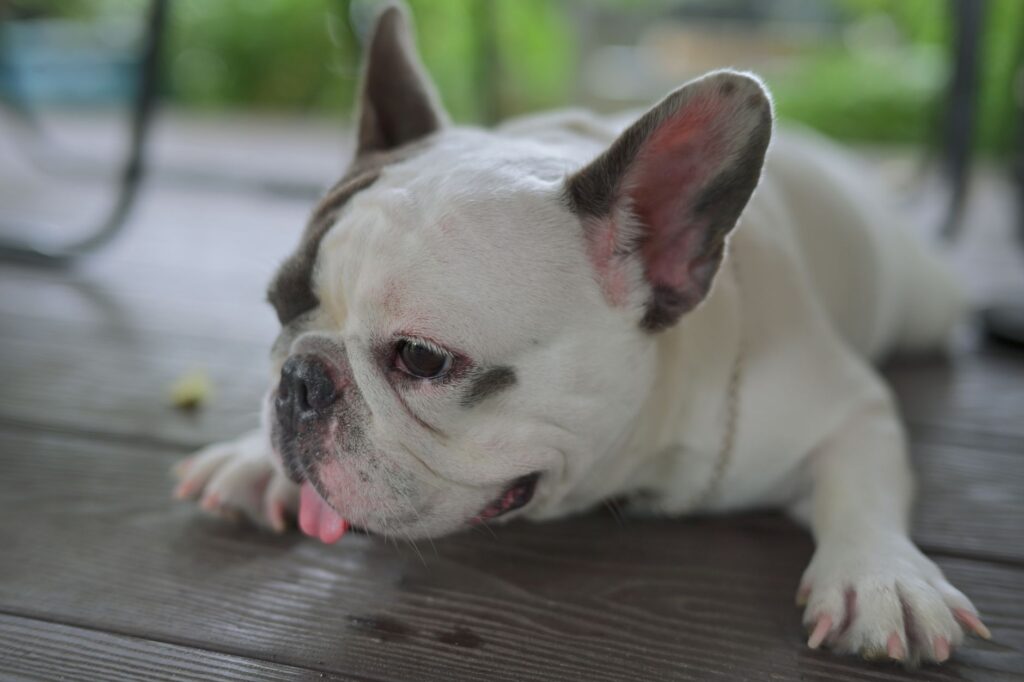
Intervertebral Disc Disease (IVDD) is a condition that can significantly affect the health and quality of life of French Bulldogs. This breed is particularly predisposed to spinal issues due to its unique physical structure. Understanding IVDD is crucial for French Bulldog owners to recognize the warning signs early and seek appropriate treatment to alleviate suffering and improve the dog’s overall well-being.
Understanding IVDD
IVDD occurs when the discs that act as cushions between the vertebrae of the spine degenerate or herniate, leading to pressure on the spinal cord. This can result in pain, nerve damage, and in severe cases, paralysis. French Bulldogs, with their brachycephalic skull structure and compact body shape, are more susceptible to this condition than many other breeds.
Types of IVDD
There are two primary forms of IVDD:
- Type I IVDD: Characterized by the sudden rupture of the disc, causing acute pain and potential neurological deficits. This is more common in younger dogs.
- Type II IVDD: Involves a gradual degeneration of the disc, leading to progressive symptoms. This type is more common in older dogs.
Risk Factors for IVDD in French Bulldogs
Several factors contribute to the risk of IVDD in French Bulldogs:
- Genetics: Some dogs may inherit a predisposition to spinal issues.
- Age: Older dogs are at higher risk for Type II IVDD due to age-related degeneration.
- Obesity: Excess weight can put additional strain on the spine.
- Physical Activity: High-impact activities or repeated jumping can increase the risk of disc injury.
Warning Signs of IVDD
Recognizing the warning signs of IVDD is crucial for prompt treatment. Common symptoms include:
- Pain: Dogs may exhibit signs of pain such as whining, reluctance to move, or sensitivity when touched along the spine.
- Weakness: You may notice your dog struggling to walk or showing signs of weakness in their limbs.
- Loss of Coordination: If your Frenchie is wobbling or has difficulty maintaining balance, it could indicate spinal issues.
- Paralysis: In severe cases, dogs may lose the ability to move their hind legs.
- Changes in Behavior: A sudden change in temperament, including increased aggression or withdrawal, may also be a sign of pain.
Diagnosis of IVDD
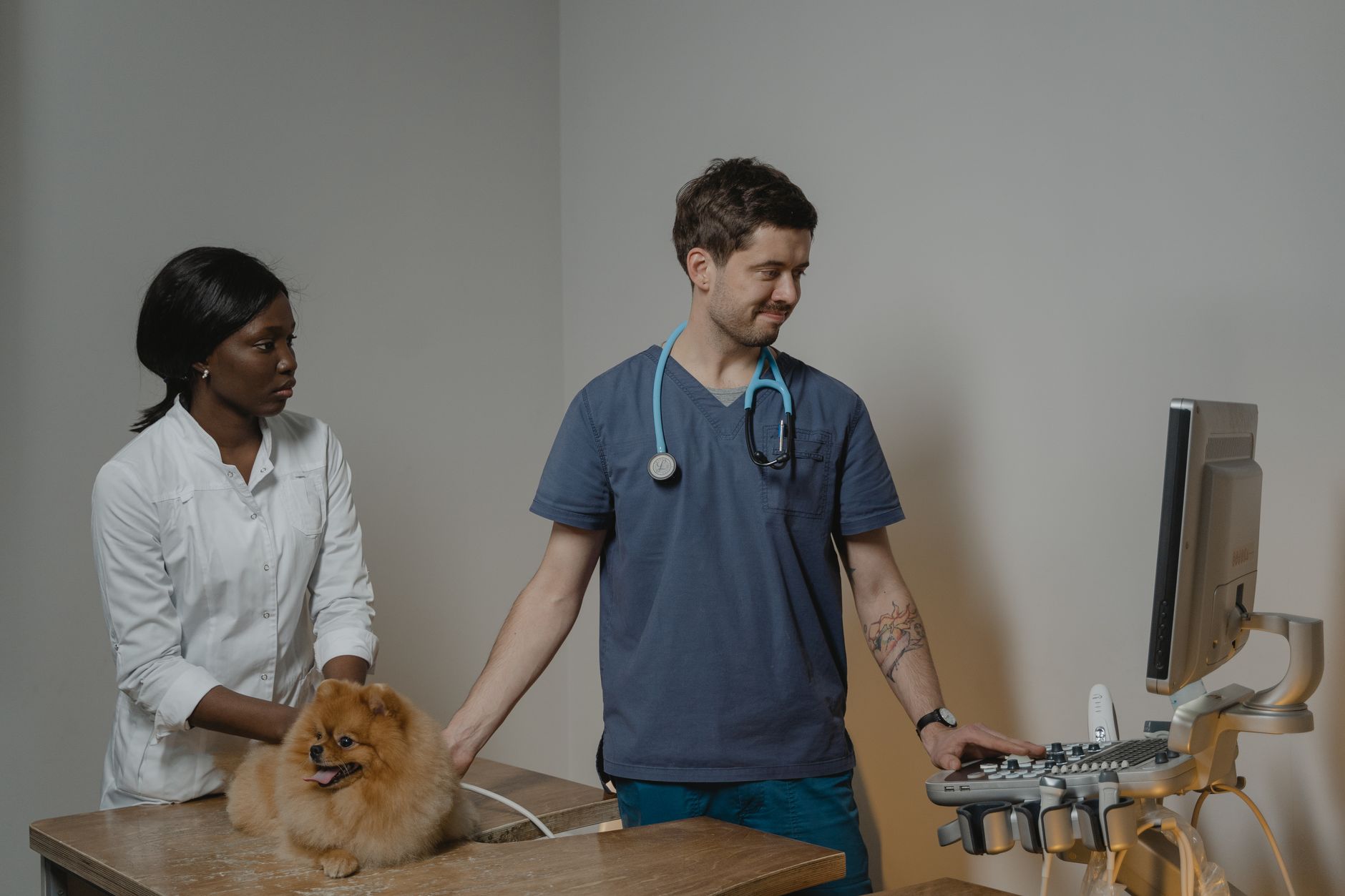
If you suspect your French Bulldog has IVDD, it’s essential to consult a veterinarian immediately. Diagnosis typically involves:
- Physical Examination: The vet will perform a thorough examination to assess pain response and neurological function.
- X-rays: Radiographs can help identify the presence of disc herniation or degeneration.
- Advanced Imaging: In some cases, an MRI or CT scan may be recommended for a detailed view of the spinal cord and discs.
Treatment Options for IVDD
Treatment for IVDD in French Bulldogs depends on the severity of the condition and may include:
Conservative Management
For mild cases, conservative management is often effective:
- Rest: Limiting physical activity for several weeks is crucial for recovery.
- Pain Management: Your vet may prescribe anti-inflammatory medications or pain relievers.
- Physical Therapy: Rehabilitation exercises can help strengthen muscles and improve mobility.
Surgical Intervention
In more severe cases, surgery may be necessary to relieve pressure on the spinal cord:
- Decompression Surgery: This involves removing the herniated disc material to relieve pressure.
- Stabilization Surgery: In some cases, stabilizing the spine may be necessary to prevent future issues.
Post-Treatment Care
After treatment, whether conservative or surgical, proper care is essential for recovery:
- Follow-up Appointments: Regular check-ups with your veterinarian will ensure your dog is healing correctly.
- Weight Management: Keeping your French Bulldog at a healthy weight is crucial to avoid future spinal problems.
- Home Care: Create a comfortable space for your dog to rest and limit activities until cleared by your vet.
Preventing IVDD in French Bulldogs
While not all cases of IVDD can be prevented, there are steps you can take to reduce the risk:
- Maintain a Healthy Weight: Regular exercise and a balanced diet are vital.
- Gentle Exercise: Avoid high-impact activities and opt for low-impact exercises.
- Regular Veterinary Check-ups: Early detection of health issues is key to preventing complications.
Conclusion
IVDD is a serious condition that can affect the quality of life of French Bulldogs. By being aware of the warning signs and understanding treatment options, owners can take proactive steps to protect their furry companions. Regular veterinary care, proper weight management, and gentle exercise can help minimize the risks associated with this condition. For more information on caring for your French Bulldog, check out our French Bulldog Health Problems: What Every Frenchie Owner Should Know and our French Bulldog Grooming Guide: Skin Folds. Additionally, be aware of your dog’s needs during hot weather by following our Prevention & Hot Weather Safety for French Bulldogs.