Understanding French Bulldog Allergies
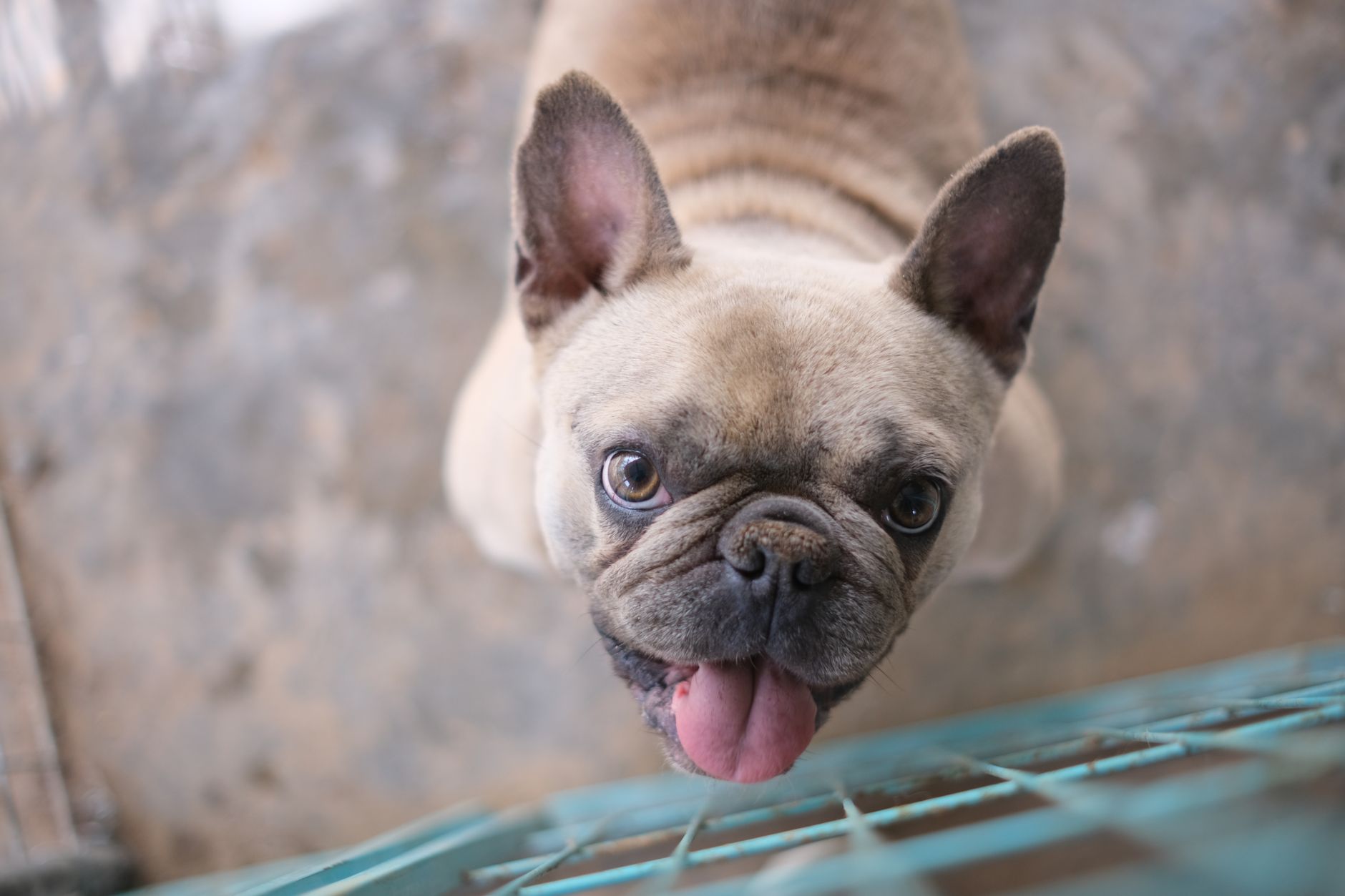
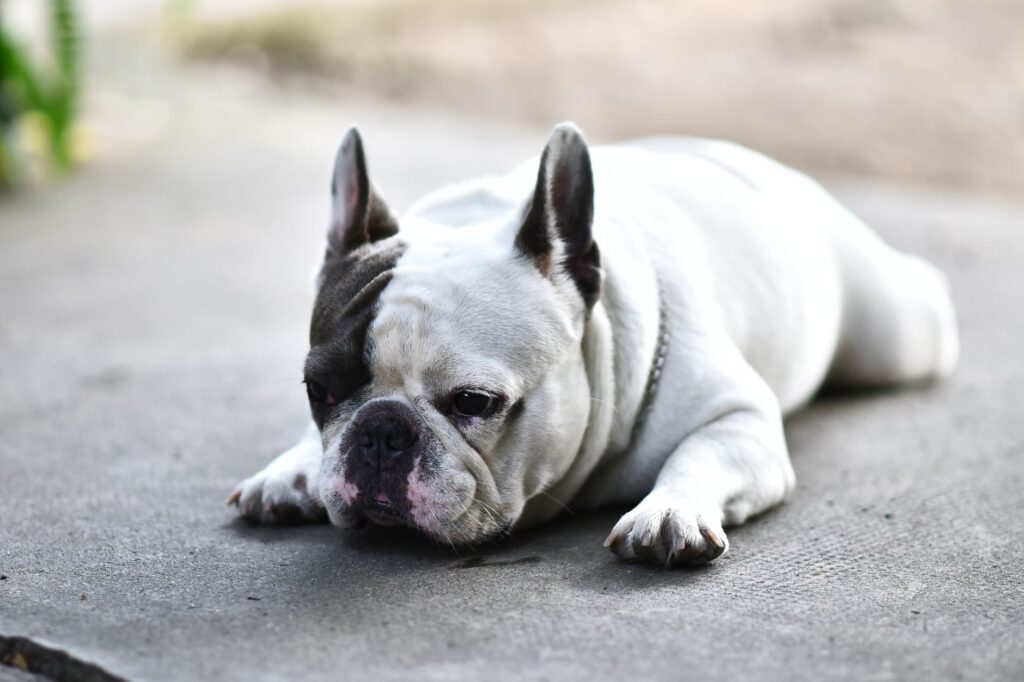
French Bulldogs are known for their adorable bat-like ears and compact stature, but these charming companions can be prone to various health issues, including allergies. Allergies in French Bulldogs can manifest in several ways, affecting their skin, digestion, or respiratory system. As a responsible pet owner, recognizing the symptoms of allergies early can lead to effective treatment and improved quality of life for your furry friend.
Common Types of Allergies in French Bulldogs
Before diving into the symptoms, it’s crucial to understand the common types of allergies that can affect French Bulldogs. These include:
1. Food Allergies
Food allergies are prevalent in French Bulldogs and can be triggered by common ingredients found in dog food, such as beef, chicken, dairy, and grains. Symptoms often include gastrointestinal distress, skin irritations, and excessive scratching.
2. Environmental Allergies
Environmental allergens, such as pollen, dust mites, and mold, can lead to allergic reactions in French Bulldogs. These allergies may cause symptoms similar to seasonal allergies in humans.
3. Flea Allergies
Flea allergy dermatitis is a common issue for French Bulldogs. Even a single flea bite can trigger an allergic reaction, leading to intense itching and discomfort.
Identifying Symptoms of Allergies in French Bulldogs
As a pet owner, being able to identify the symptoms of allergies is critical. Here are the most common signs to watch for:
1. Skin Irritation and Itching
One of the most noticeable symptoms of allergies in French Bulldogs is skin irritation. You may observe your dog continuously scratching, biting, or licking their skin, which can lead to further complications such as hot spots or infections. Look for:
- Red, inflamed skin
- Dry or flaky patches
- Excessive scratching or biting
2. Ear Infections
French Bulldogs are particularly susceptible to ear infections, which can be exacerbated by allergies. Symptoms may include:
- Head shaking or tilting
- Foul odor from the ear
- Redness or discharge
3. Digestive Issues
Food allergies can lead to gastrointestinal symptoms in French Bulldogs. Watch for signs such as:
- Vomiting
- Diarrhea
- Excessive gas or bloating
4. Respiratory Symptoms
In some cases, French Bulldogs may display respiratory symptoms due to environmental allergies. These can include:
- Persistent coughing or sneezing
- Watery eyes or nasal discharge
- Difficulty breathing
Diagnosing Allergies in French Bulldogs
If you suspect your French Bulldog has allergies, it’s essential to consult with a veterinarian. Diagnostics may involve:
- Physical examinations
- Allergy testing (skin or blood tests)
- Exclusion diet trials for food allergies
Treatment Options for Allergies
Once diagnosed, various treatment options are available to help manage your French Bulldog’s allergies:
1. Medication
Veterinarians may prescribe antihistamines or corticosteroids to alleviate symptoms.
2. Dietary Changes
If food allergies are identified, transitioning to a hypoallergenic diet can help improve your dog’s condition.
3. Environmental Management
For environmental allergies, keeping your home clean and free of dust, regularly bathing your dog, and avoiding outdoor exposure during high pollen times can be beneficial.
4. Flea Prevention
Implementing a robust flea prevention plan is crucial for dogs with flea allergies. Regular treatments and maintaining a clean environment can significantly reduce flea infestations.
Preventing Allergies in French Bulldogs
While not all allergies can be prevented, there are steps you can take to minimize your French Bulldog’s risk:
- Regular grooming to reduce allergens in their coat.
- Feeding a balanced diet to support their immune system.
- Maintaining a clean living environment to limit exposure to allergens.
Conclusion
Recognizing and addressing allergies in French Bulldogs is vital to their overall health and well-being. By being aware of the symptoms and working closely with your veterinarian, you can manage your dog’s allergies effectively and ensure they lead a happy, healthy life. If you’re also interested in training your Frenchie, consider checking out our guide on how to crate train a French Bulldog puppy. Additionally, understanding their grooming needs is essential; you can learn more about shedding in our article on French bulldog shedding. Don’t forget to consider their exercise needs as well, which you can explore in our piece on French Bulldog exercise.