Introduction
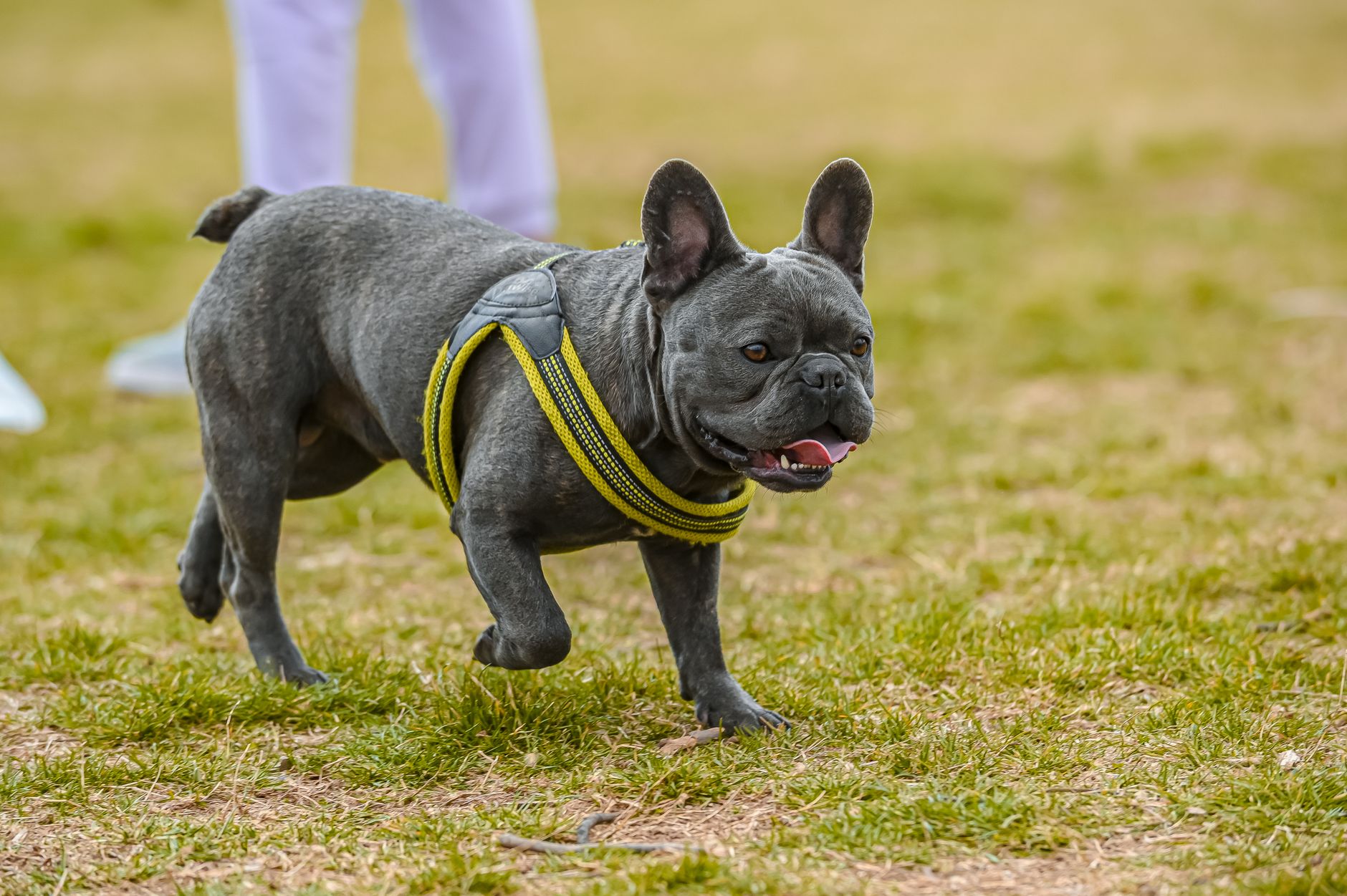
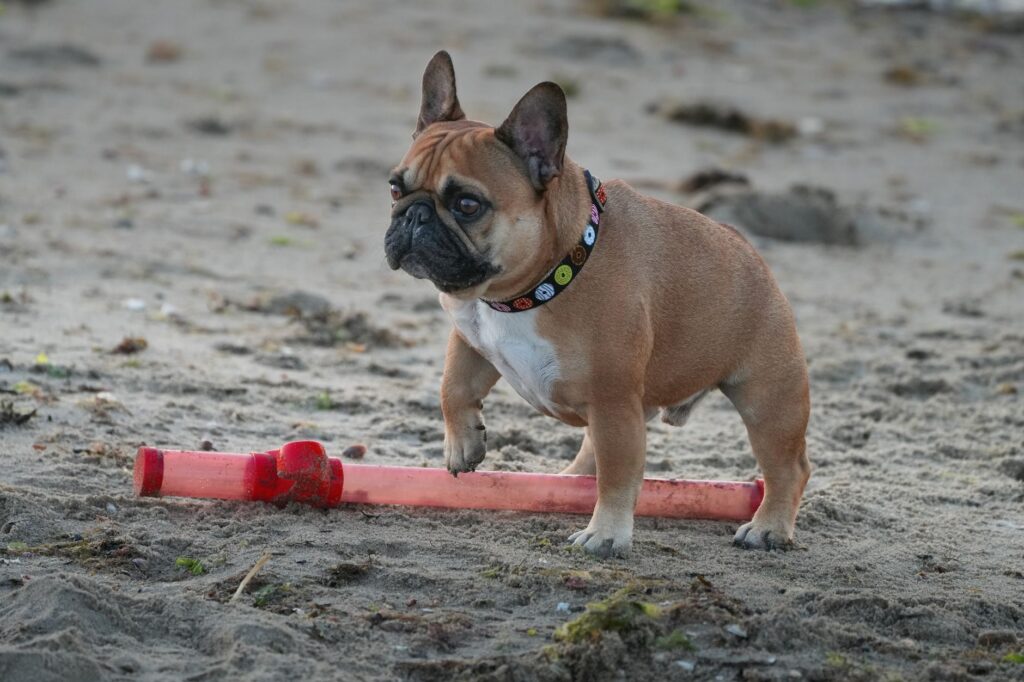
French Bulldogs, often affectionately known as “Frenchies,” have captured the hearts of dog lovers around the globe with their charming personalities and unique appearance. One common question that new and prospective Frenchie owners often have is, “How big will my Frenchie get?” Understanding the growth patterns of French Bulldogs is essential for prospective owners to prepare for their pet’s needs throughout its life. In this article, we will explore the factors that influence the size of French Bulldogs, their growth stages, and what you can expect as your Frenchie matures.
Understanding French Bulldog Growth Stages
French Bulldogs typically undergo several growth stages in their early life. These stages can be categorized as follows:
Puppy Stage (0-6 Months)
During the first six months, French Bulldogs experience rapid growth. At birth, a Frenchie puppy weighs just a few ounces, but by six months, they can weigh between 12 to 20 pounds. This is the most critical period for socialization and training, and it’s essential to provide them with a loving environment.
Adolescent Stage (6-12 Months)
As they transition into adolescence, French Bulldogs typically gain weight more slowly. By the time they are around 12 months old, most Frenchies will have reached about 70-90% of their adult weight, which usually falls between 16 to 28 pounds. This stage is crucial for establishing their personality and behavior.
Adult Stage (1 Year and Beyond)
By the age of one year, French Bulldogs are generally considered adults. However, some may continue to fill out and gain muscle mass until they are about 18 months old. Most French Bulldogs will land within a weight range of 16 to 28 pounds, with a height of about 11 to 12 inches at the shoulder.
Factors Influencing French Bulldog Size
Several factors contribute to the size of your French Bulldog. Understanding these can help you manage your pet’s health and well-being effectively.
Genetics
The primary determinant of your Frenchie’s size is genetics. The size of the parents, particularly the mother, plays a significant role in determining how large your puppy will grow. If both parents are on the smaller side, it’s likely that their offspring will also be smaller.
Nutrition
Proper nutrition during the growth phase is crucial. Puppies need a balanced diet rich in nutrients to support their development. High-quality dog food specifically formulated for puppies can ensure they get the right vitamins and minerals. Overfeeding can lead to obesity, while underfeeding can stunt growth.
Health Conditions
Certain health conditions, such as hormonal imbalances or genetic disorders, can affect your Frenchie’s growth. Regular check-ups with a veterinarian can help identify any potential health issues early on.
Measuring Your Frenchie’s Size
To keep track of your Frenchie’s growth, consider measuring their height and weight regularly. Here’s how you can do it:
Measuring Height
To measure your Frenchie’s height, have them stand straight on a flat surface. Use a measuring tape and measure from the ground to the highest point of their shoulder. Make sure to get an accurate reading by ensuring they are standing tall.
Measuring Weight
Weigh your Frenchie using a pet scale. Regular weight checks can help monitor their growth and ensure they are within a healthy range. If you notice any sudden changes in weight, consult your veterinarian.
What to Expect as Your Frenchie Grows
As your French Bulldog matures, you can expect several changes in behavior and health needs.
Behavioral Changes
French Bulldogs are known for their playful and affectionate nature. As they grow, they may become more independent, but they still require social interaction and mental stimulation. Regular training and socialization are essential to help them develop into well-rounded adults.
Health and Exercise Needs
As your Frenchie grows, their exercise needs will evolve. Understanding how much exercise a French Bulldog needs is vital to maintaining their health. Regular physical activity helps in managing weight and preventing obesity, which is particularly important for this breed due to their brachycephalic nature.
Tips for Raising a Healthy French Bulldog
Ensuring that your Frenchie grows to their full potential involves several key practices:
Proper Diet
Feed your French Bulldog a high-quality diet that meets their nutritional needs. Consult with your veterinarian to choose the best food for their age, weight, and health status.
Regular Vet Visits
Regular check-ups can help catch any health issues early. It’s also an opportunity to discuss your Frenchie’s growth and development with your vet.
Physical Activity
Engage your Frenchie in regular exercise to keep them healthy and happy. Short walks, playtime, and mental stimulation through puzzle toys can enhance their well-being.
Conclusion
Understanding how big your Frenchie will get involves a variety of factors, including genetics, nutrition, and overall health. By being proactive in their care, you can help your French Bulldog grow into a healthy, happy adult. Whether you’re a new owner or considering adding a Frenchie to your family, knowing what to expect in terms of size and development will prepare you for a rewarding companionship. For more tips on training and caring for your Frenchie, check out our guide on how to crate train a French Bulldog puppy and learn about their grooming needs in our article on French Bulldog shedding. Your journey with your Frenchie will be one filled with love and joy!