
Introduction
Transitioning your French Bulldog to a new food is a crucial process that can significantly impact their overall health and well-being. French Bulldogs, with their unique digestive systems, require careful consideration when changing their diet. A sudden change in food can lead to gastrointestinal upset, including diarrhea and vomiting, which can be distressing for both the dog and the owner. In this article, we will discuss effective methods to transition your French Bulldog to a new food safely and smoothly, ensuring that they remain healthy and happy throughout the process.
Understanding Your French Bulldog’s Nutritional Needs
Before making any changes to your French Bulldog’s diet, it’s essential to understand their specific nutritional needs. French Bulldogs are a small breed with a unique body structure, which means they require a balanced diet rich in proteins, fats, and carbohydrates. Additionally, they can be prone to certain health issues, such as obesity and allergies, making it vital to choose a food that supports their health.
Identifying the Right Food
When transitioning to a new food, ensure it meets the following criteria:
- High-Quality Ingredients: Look for foods that contain real meat as the first ingredient, along with whole grains and vegetables.
- Age-Appropriate: Choose a food suitable for your dog’s age, whether they are a puppy, adult, or senior.
- Allergy Considerations: If your French Bulldog has known allergies, avoid ingredients that trigger those reactions.
Steps to Transition Your French Bulldog to a New Food
The transition to a new food should be gradual to avoid upsetting your French Bulldog’s stomach. Here’s a step-by-step guide to help you through the process:
Step 1: Prepare a Schedule
Plan a transition schedule that typically spans 7 to 10 days. This timeframe allows your dog to adjust to the new food without experiencing any digestive issues.
Step 2: Gradual Mixing
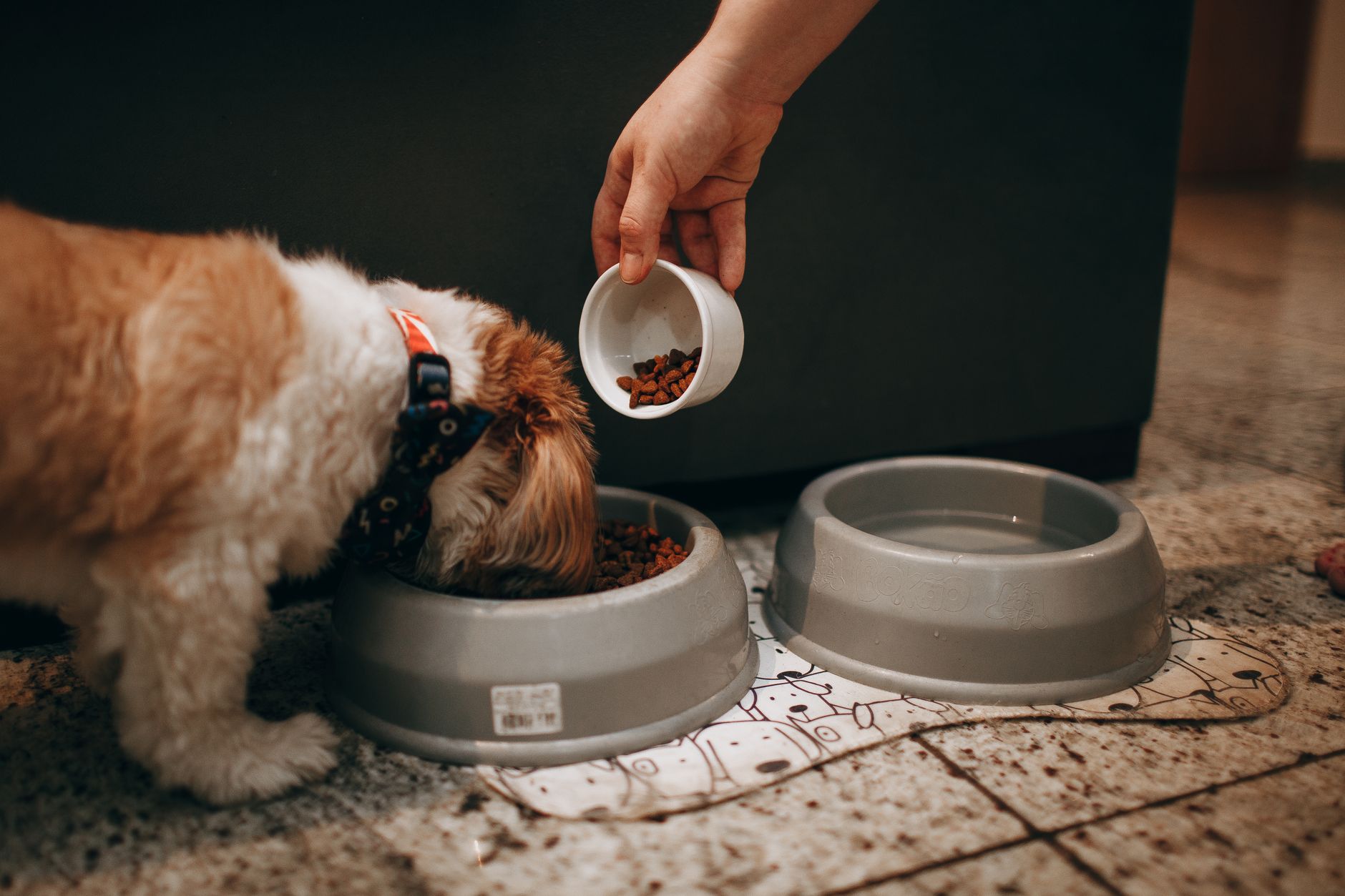
Start by mixing a small amount of the new food with your French Bulldog’s current food. A common ratio is:
- Days 1-3: 25% new food, 75% old food
- Days 4-6: 50% new food, 50% old food
- Days 7-10: 75% new food, 25% old food
This gradual mixing will help your dog’s digestive system adapt to the new food.
Step 3: Monitor Your Dog’s Response
During the transition, keep an eye on your French Bulldog for any signs of digestive upset, such as:
- Vomiting
- Diarrhea
- Lethargy
If you notice any of these symptoms, slow down the transition process and give your dog more time to adjust to the new food.
Step 4: Adjust Portion Sizes
As you transition, ensure you are feeding the correct portion sizes based on the new food’s caloric content. Overfeeding can lead to obesity, especially in a breed like the French Bulldog that is predisposed to weight gain. Refer to the feeding guidelines on the food packaging for accurate measurements.
Common Issues During Transition
Digestive Upset
As previously mentioned, digestive upset is a common issue during a food transition. If your French Bulldog experiences diarrhea or vomiting, consider extending the transition period and mixing in more of the old food.
Refusal to Eat
Sometimes, dogs may refuse to eat the new food altogether. If this happens, it may be beneficial to try a different flavor or brand. Additionally, mixing in a bit of wet food or low-sodium broth can make the new food more appealing.
Allergic Reactions
If your French Bulldog shows signs of an allergic reaction, such as itching, redness, or gastrointestinal distress, discontinue the new food immediately and consult your veterinarian.
Consulting a Veterinarian
Before making any dietary changes, it’s always advisable to consult your veterinarian. They can provide tailored recommendations based on your French Bulldog’s health, age, and lifestyle. Additionally, if you encounter any issues during the transition, your vet can help identify the cause and suggest solutions.
Post-Transition Care
Once your French Bulldog has fully transitioned to the new food, continue to monitor their health and weight regularly. Make adjustments to their diet as necessary, especially as they age or if their activity levels change. For more information on overall French Bulldog care, check out our French Bulldog Care Guide: Everything New Owners Need to Know.
Conclusion
Transitioning your French Bulldog to a new food doesn’t have to be a daunting task. By following the gradual transition method and keeping a close eye on your dog’s reaction, you can ensure a smooth and healthy change. Remember, the right food plays a crucial role in your French Bulldog’s health and happiness, so take the time to choose wisely. For more insights on your French Bulldog, you might also want to know when they stop growing and how to best care for them.