Understanding BOAS in French Bulldogs
Brachycephalic Obstructive Airway Syndrome (BOAS) is a common yet serious condition that affects many brachycephalic breeds, particularly French Bulldogs. These adorable companions are known for their flat faces and distinctively short noses, which unfortunately predisposes them to various respiratory challenges. In this article, we will delve into what BOAS is, how it can be diagnosed, and the treatment options available to help manage this condition effectively.
What Causes BOAS?
BOAS is primarily caused by the unique anatomical features of brachycephalic breeds. The shortened skull shape leads to several structural abnormalities in the respiratory tract, including:
- Stenotic Nares: Narrowed nostrils that make it difficult for the dog to breathe through their nose.
- Elongated Soft Palate: A condition where the soft palate extends too far back into the throat, blocking airflow.
- Hypoplastic Trachea: An underdeveloped windpipe that narrows the airway.
- Overgrown Turbinates: Excessive tissue within the nasal passages that obstruct airflow.
These anatomical features can lead to increased respiratory resistance, making it challenging for French Bulldogs to breathe, especially during exercise or in hot weather. For more information on how to keep your French Bulldog safe during warmer months, check out our article on Prevention & Hot Weather Safety for French Bulldogs.
Symptoms of BOAS
Recognizing the symptoms of BOAS is vital for timely intervention. Common signs include:
- Labored or noisy breathing (stridor)
- Excessive panting
- Difficulty exercising or playing
- Gagging or coughing
- Fainting or collapsing episodes
- Difficulty sleeping, especially on their side
If you notice any of these symptoms in your French Bulldog, it is essential to consult a veterinarian as soon as possible. Early diagnosis can significantly improve the quality of life for your pet.
Diagnosing BOAS
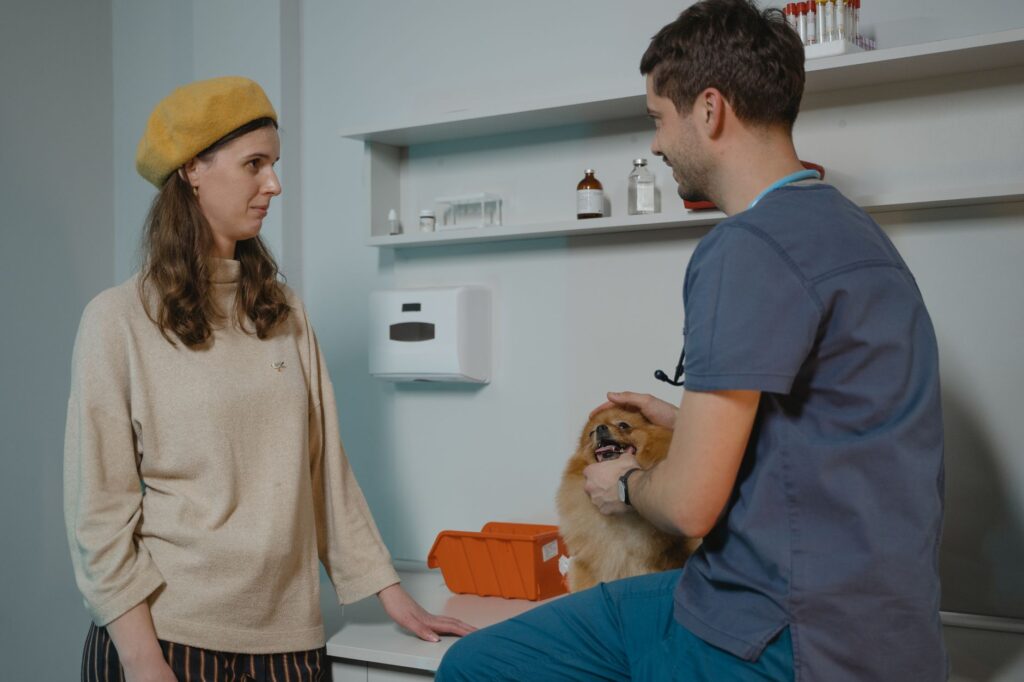
Diagnosing BOAS typically involves a thorough examination by a veterinarian who understands the unique challenges faced by brachycephalic breeds. The diagnostic process may include:
1. Physical Examination
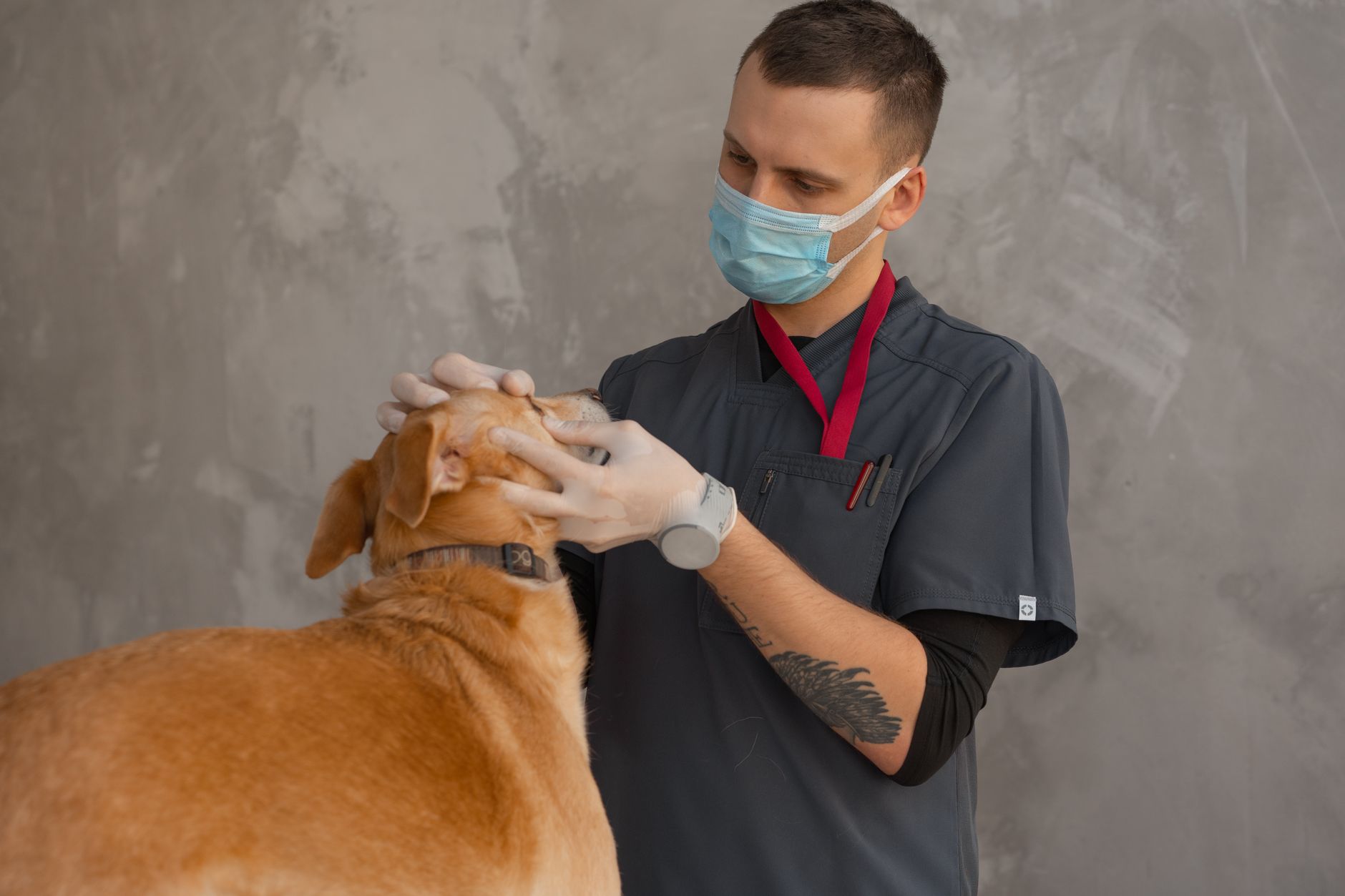
The veterinarian will perform a comprehensive physical examination, focusing on the dog’s respiratory system. They will assess the nostrils, oral cavity, and throat for any anatomical abnormalities.
2. Endoscopy
In some cases, an endoscopic examination may be performed. This minimally invasive procedure uses a camera to visualize the airways and soft palate, allowing the vet to assess the severity of the obstruction.
3. Radiographs
X-rays can help identify any structural abnormalities in the airway and assist in the overall assessment.
Once a diagnosis is confirmed, the veterinarian will discuss treatment options based on the severity of the condition.
Treatment Options for BOAS
Treatment options for BOAS can vary significantly based on the severity of the symptoms and the overall health of the dog. Here are the most common treatment approaches:
1. Weight Management
Maintaining a healthy weight is crucial for managing BOAS. Excess weight can exacerbate breathing difficulties, so a balanced diet and regular exercise are essential. For grooming tips that can help manage your French Bulldog’s weight, refer to our comprehensive French Bulldog Grooming Guide: Skin Folds.
2. Medical Management
In mild cases, medications such as anti-inflammatories may be prescribed to reduce swelling in the airways and improve breathing. Additionally, sedatives can be provided for anxious dogs that may struggle with breathing during stressful situations.
3. Surgical Options
For more severe cases, surgical intervention may be necessary. Common surgical procedures include:
- Stenotic Nares Surgery: Widening of the nostrils to improve airflow.
- Soft Palate Resection: Removal of the elongated soft palate to reduce obstruction.
- Turbinates Reduction: Reducing excess tissue in the nasal passages.
These surgeries can significantly improve the quality of life for affected dogs, allowing them to breathe more comfortably.
Managing BOAS at Home
While veterinary intervention is crucial, there are several strategies you can employ at home to help manage your French Bulldog’s BOAS symptoms. These include:
- Limiting exercise during hot or humid weather.
- Providing a cool and comfortable living environment.
- Avoiding overexertion and providing frequent breaks during physical activity.
- Maintaining regular veterinary check-ups to monitor the condition.
Conclusion
Understanding BOAS in French Bulldogs is essential for every owner. By recognizing the symptoms and seeking timely diagnosis and treatment, you can significantly enhance your pet’s quality of life. Whether through weight management, medication, or surgical options, there are various ways to help your beloved Frenchie breathe easier. Always consult with your veterinarian to determine the best course of action tailored to your dog’s specific needs. Taking proactive steps can ensure that your French Bulldog remains a happy, healthy, and active companion for years to come.