Introduction
Cherry eye is a common condition that affects many dog breeds, including French Bulldogs. This issue arises when the third eyelid gland prolapses, resulting in a noticeable bulge in the inner corner of the eye. Understanding cherry eye is essential for French Bulldog owners, as it can lead to further complications if left untreated. In this article, we will explore the symptoms, causes, diagnosis, and treatment options for cherry eye in French Bulldogs.
Understanding Cherry Eye
Cherry eye, also known as nictitating membrane prolapse, occurs when the gland of the third eyelid becomes displaced. This gland is responsible for producing a significant portion of the eye’s tear film, which is crucial for keeping the eye moist and healthy. When the gland protrudes, it appears as a red or pink mass at the inner corner of the eye, resembling a cherry, hence the name.
Symptoms of Cherry Eye
The most noticeable symptom of cherry eye is the visible swelling or protrusion of the third eyelid gland. Other symptoms may include:
- Excessive tearing or discharge from the eye
- Redness or inflammation around the eye
- Rubbing or scratching at the eye
- Squinting or sensitivity to light
If you notice any of these symptoms, it is crucial to consult a veterinarian promptly to prevent further complications.
Causes of Cherry Eye
Cherry eye is primarily attributed to genetic predisposition, particularly in certain breeds like French Bulldogs. The causes can be categorized as follows:
- Genetic Factors: Some dogs may inherit a weaker connective tissue structure, making them more susceptible to cherry eye.
- Age: While cherry eye can occur at any age, it is most commonly seen in young dogs, particularly those under two years old.
- Trauma: Injury or trauma to the eye area can lead to the displacement of the third eyelid gland.
The genetic predisposition of French Bulldogs makes them particularly vulnerable to this condition, highlighting the importance of regular veterinary check-ups.
Diagnosis of Cherry Eye
Diagnosing cherry eye usually involves a thorough physical examination by a veterinarian. The vet will assess the eye’s appearance, check for any signs of irritation, and may perform additional tests to rule out other conditions. Some tests may include:
- Fluorescein Staining: This test helps detect scratches or ulcers on the cornea.
- Schirmer Tear Test: This test measures tear production to assess the eye’s health.
After the diagnosis, the veterinarian will discuss possible treatment options tailored to your French Bulldog’s specific condition.
Treatment Options for Cherry Eye
There are several treatment options available for cherry eye, depending on the severity of the condition:
Conservative Management
In mild cases, your veterinarian may recommend conservative management, which may include:
- Topical treatments to reduce inflammation and promote healing
- Regular monitoring of the condition
While this approach may be effective in some cases, it is essential to note that conservative management often does not resolve the problem permanently.
Surgical Intervention
In more severe cases, or if conservative management fails, surgical intervention may be necessary. The most common surgical procedure is the gland repositioning surgery, where the veterinarian surgically repositions the prolapsed gland back into its correct position.
This procedure has a high success rate and is generally considered safe. However, it is essential to follow your veterinarian’s post-operative care instructions to ensure proper healing.
Post-Surgery Care
After surgery, your French Bulldog may require special care, including:
- Administering prescribed medications, such as antibiotics or anti-inflammatories
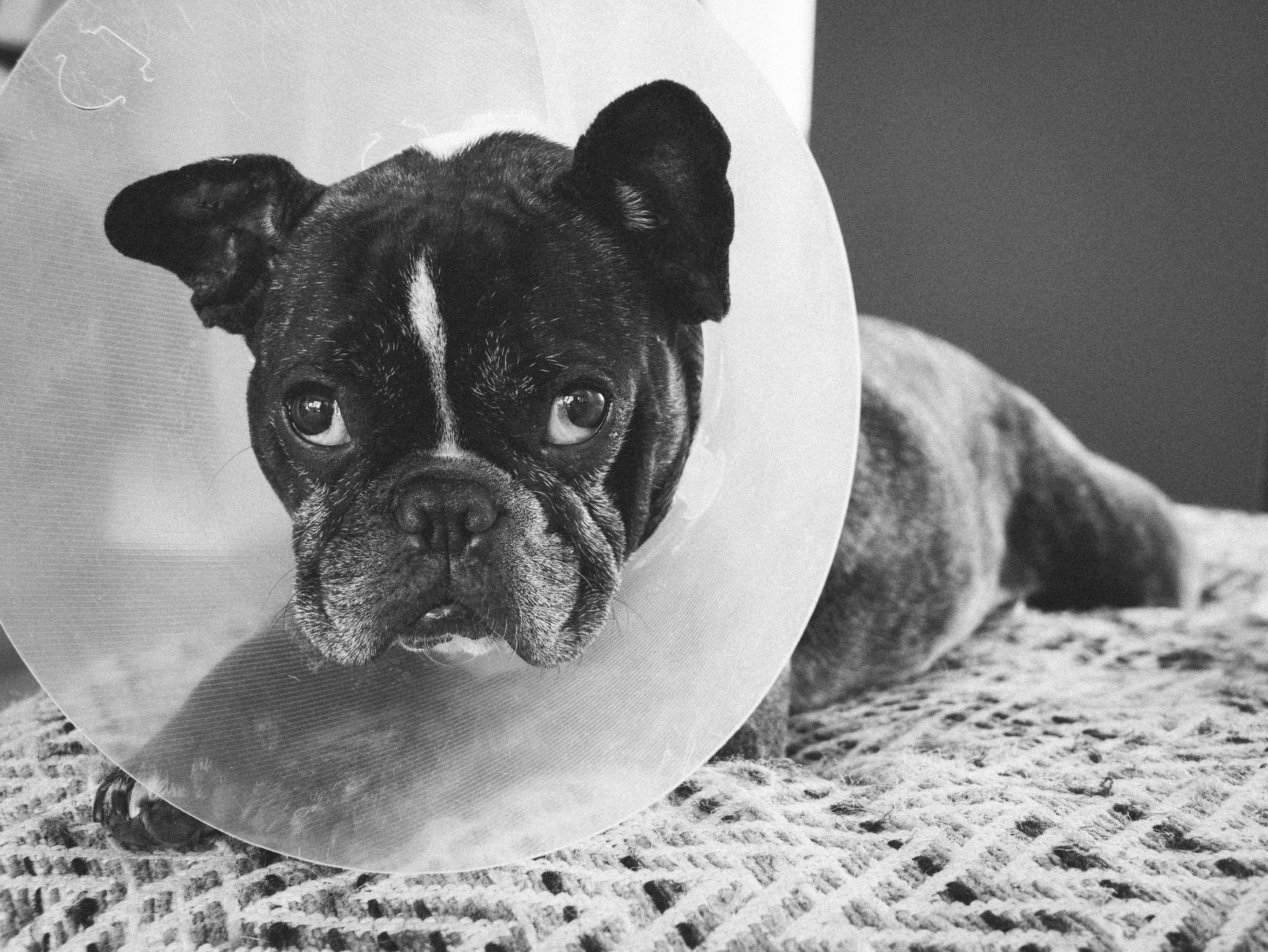
- Preventing your dog from rubbing or scratching at the eye
- Regular follow-up visits to monitor healing
By adhering to these guidelines, you can help ensure a successful recovery for your pet.
Preventing Cherry Eye in French Bulldogs
While you cannot entirely prevent cherry eye, there are steps you can take to minimize the risk:
- Regular veterinary check-ups to monitor eye health
- Keeping the eye area clean and free from irritants
- Avoiding rough play that could lead to eye injuries
Additionally, understanding other common health issues in French Bulldogs, such as BOAS and IVDD, can also contribute to better overall health management for your dog.
Conclusion
Cherry eye is a prevalent condition in French Bulldogs that can cause discomfort and potential complications if not addressed. Recognizing the symptoms early and consulting a veterinarian can lead to effective treatments, ensuring your furry friend remains healthy and happy. Regular eye care, awareness of genetic predispositions, and proactive veterinary visits are vital in managing and preventing this condition. With proper care, your French Bulldog can lead a fulfilling life, free from the discomfort of cherry eye.
Additional Resources
For more information on grooming and care, check out our French Bulldog Grooming Guide: Skin Folds.